
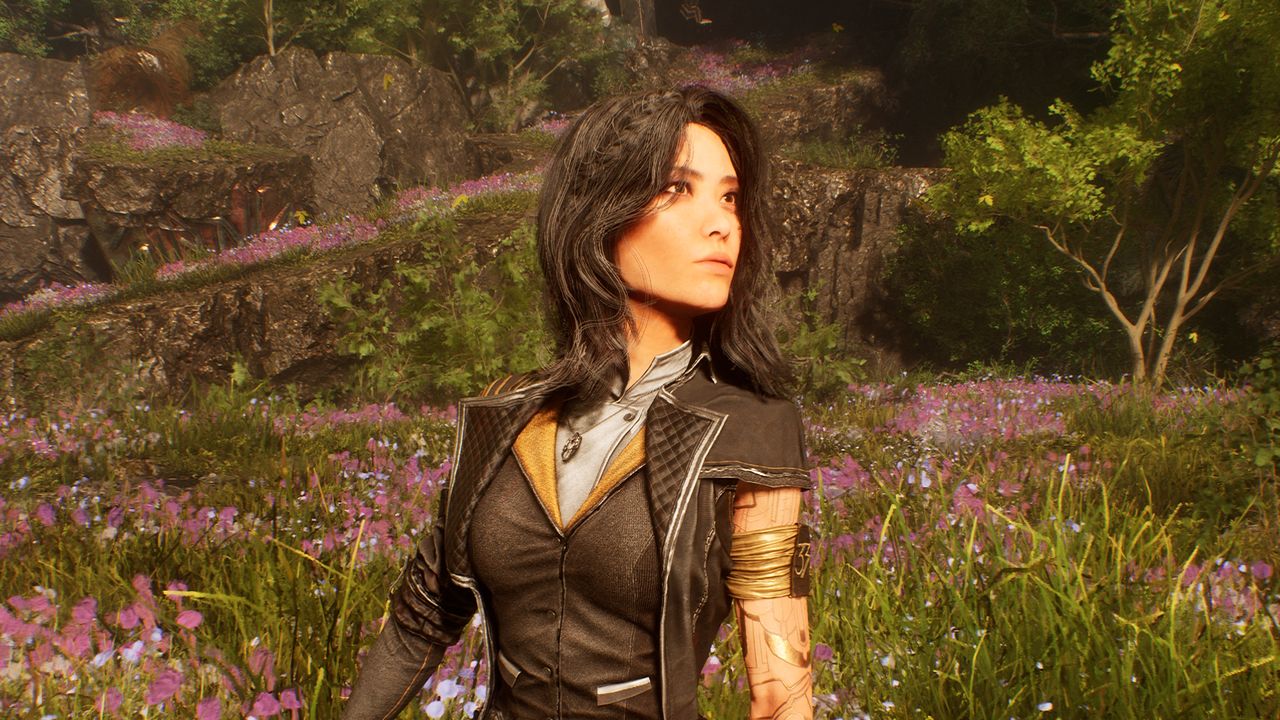
When shaping the narrative for Clair Obscur: Expedition 33, director Guillaume Broche looked away from the sprawling, player-driven designs of Western role-playing games and leaned instead toward the structured storytelling of Japanese RPGs.
Speaking in an interview with Automaton Media, Broche discussed the broad nature of the RPG genre and how Western and Japanese approaches differ at their core. While games like Baldur's Gate, Fallout, and Skyrim allow players to alter the course of the story and shape their own protagonists, Broche noted that he prefers the linear focus found in JRPGs.
That structural choice directly impacts character development, according to the director. Giving players a set protagonist and established characters allows developers to tell a stronger story and craft more memorable personalities. In contrast to blank-slate Western protagonists like the Dragonborn or Fallout 3's Lone Wanderer, characters in Clair Obscur: Expedition 33—such as Maelle, Gustave, and Verso—follow a defined path from start to finish.
Player Agency Versus Linear Narrative
Broche identifies player choice and character agency as the primary dividing line between the two design philosophies. Western titles give players the ability to direct the narrative and influence endings through their decisions, whereas JRPGs generally keep the beginning, middle, and end fixed from A to Z.
Following the release of Clair Obscur: Expedition 33 across PC, PlayStation 5, and Xbox Series S/X on April 24, 2025, developer Sandfall Interactive has already begun looking ahead. Broche revealed that the studio intends to "go a bit crazy" with its next project, aiming to let the team dream and experiment creatively once again.