
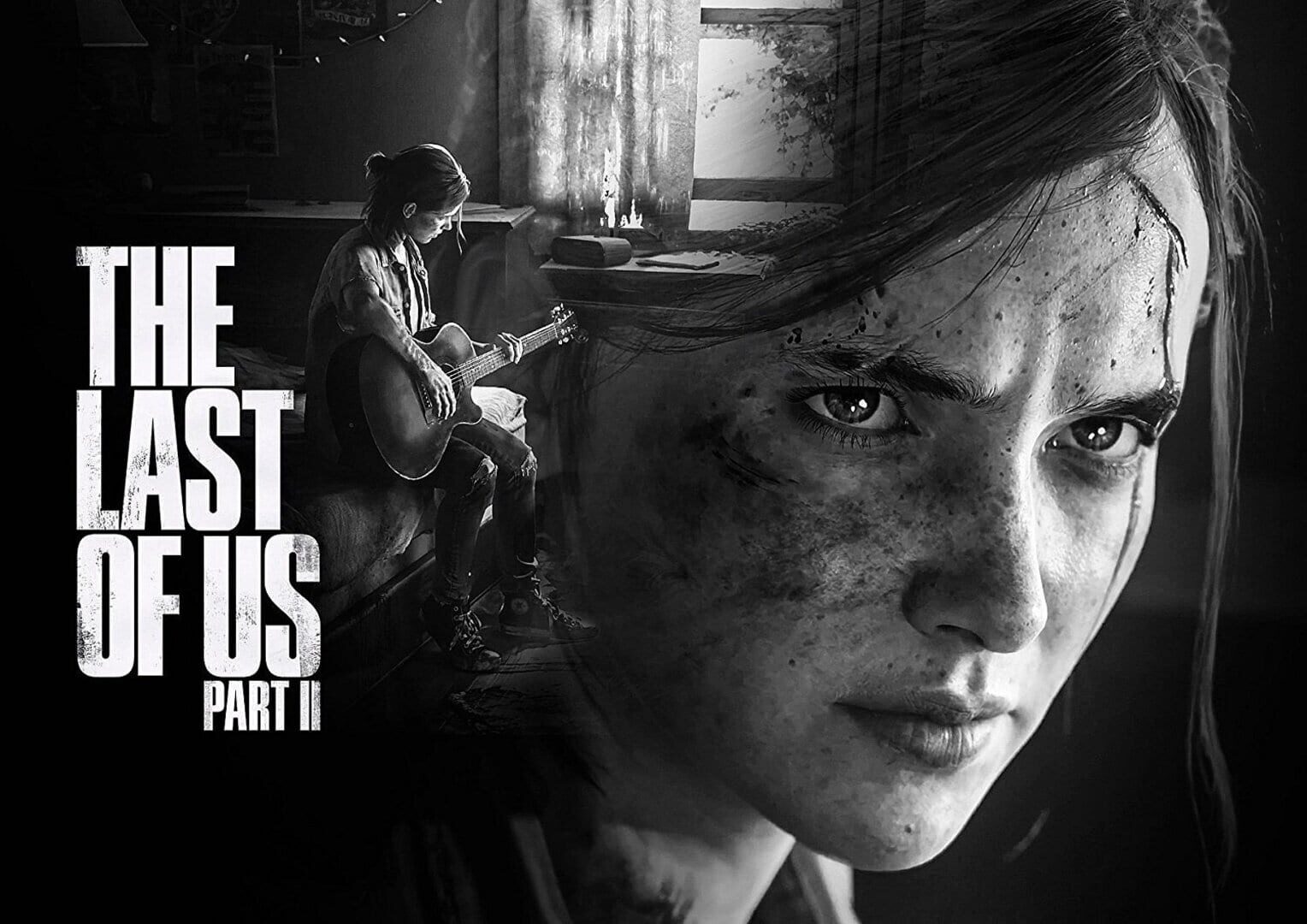
When looking back at the last decade of video games, a glaring issue emerges: many stories feel insubstantial. While some offer entertainment or memorable moments, few possess the conviction to argue that their narratives actually matter. The Last of Us Part 2 released in 2020 on PlayStation 4 and later arriving on PlayStation 5, remains a rare exception to this trend.
The power of a specific vision
The storytelling in The Last of Us Part 2 is heavy-handed, perhaps even lacking in traditional subtlety, but it succeeds because Naughty Dog committed entirely to its vision. The game forces the player through an exhausting, often miserable experience—and that is exactly the point. By placing Ellie’s personal desires above the needs of those who love her, the developers created a narrative that demands the player engage with uncomfortable feelings, even when they would rather not.
It is not necessarily about the profoundness of the message itself, but rather that the studio had a specific argument and stood behind it, regardless of player consensus. In an era where many games strive to be for "everyone," this uncompromising approach feels increasingly rare.
Comparing narrative conviction in 2026
Other major titles often take a different, less focused approach. Cyberpunk 2077 for instance, focuses on character-driven storytelling, yet it can struggle to maintain a clear, unified vision. While it explores themes of life in Night City, the choices offered to the player often feel like a ritual that results in a fundamentally similar experience for every version of V. Similarly, Persona 5 is often criticized for a lack of narrative depth, relying on a repetitive message that bad people doing bad things is wrong, without showing a genuine understanding of life on the margins.
However, there are exceptions. Metaphor: ReFantazio stands out for its specific intent; Studio Zero uses its world to explore power, disenfranchisement, and how bad-faith actors manipulate the public. Every element of the game, including side quests, is tied to these themes. Likewise, Clair Obscur: Expedition 33 presents a complex, messy family tragedy that refuses to offer the player a “correct” answer, demonstrating a sophisticated understanding of human relationships.
Ultimately, the medium of gaming could benefit from more developers pouring themselves into their work with a clear perspective. Whether a story provides an answer or simply lingers in the soul, the most impactful games are those that stop trying to provide what they think the audience wants and instead lean into their own, singular vision.