
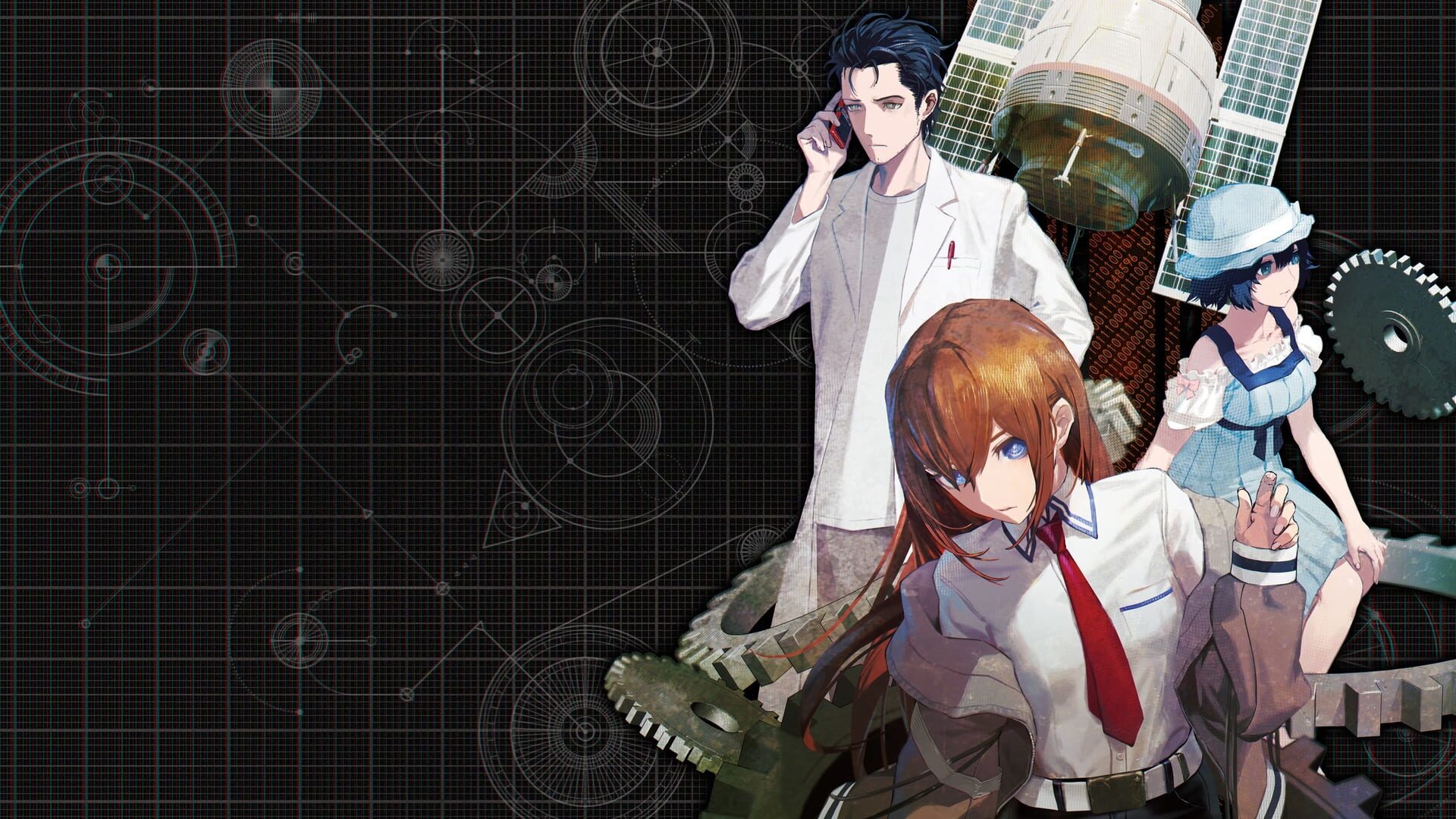
Steins;Gate Re:Boot has arrived on Nintendo Switch 2, serving as the latest iteration of the 2009 visual novel. According to a review by Evan Norris at VGChartz, which awarded the title a 6.5/10, the remake offers significant technical refinements but remains hampered by design choices that may frustrate modern players.
Visual and Audio Overhauls
Developer Mages has implemented the "E-mote" 2D animation engine, replacing static sprites with dynamic models that feature fluid movement and facial expressions. Original character designer Huke returned to update the character designs, and Mages expanded the pool of event stills and background visuals by approximately 20%. While the reviewer noted that the cleaner aesthetic sacrifices some of the original's "graphic novel grit," the visual package is considered a net improvement. Additionally, the game features fully re-recorded voice acting and a remastered score by original composer Takeshi Abo.
Design and Narrative Caveats
Despite the production values, the review highlights several persistent issues:
- Pacing: The narrative remains a "slow burn," with the primary plot catalyst not occurring until roughly 15 hours into the experience.
- Limited Agency: For the majority of the runtime, player interaction is limited to reading text and responding to email messages, which are mostly flavor text.
- Opaque True Ending: Accessing the game's true ending requires specific, non-obvious responses to emails using underlined keywords. The game provides no feedback, effectively locking players out of the content without an external walkthrough.
- Branching Mechanics: The game lacks a modern, intuitive flowchart. Players must rely on manual save slots to navigate to different endings, as the in-game "Observer chart" does not allow for jumping to specific timeline points.
Player-Fit Considerations
The review concludes that Steins;Gate Re:Boot is best suited for visual novel enthusiasts who prioritize narrative depth above all else. The addition of a new, exclusive alternate ending provides extra incentive for series veterans, though the technical and structural friction—particularly the reliance on external guides to see the full story—may prove challenging for those expecting modern quality-of-life features.