
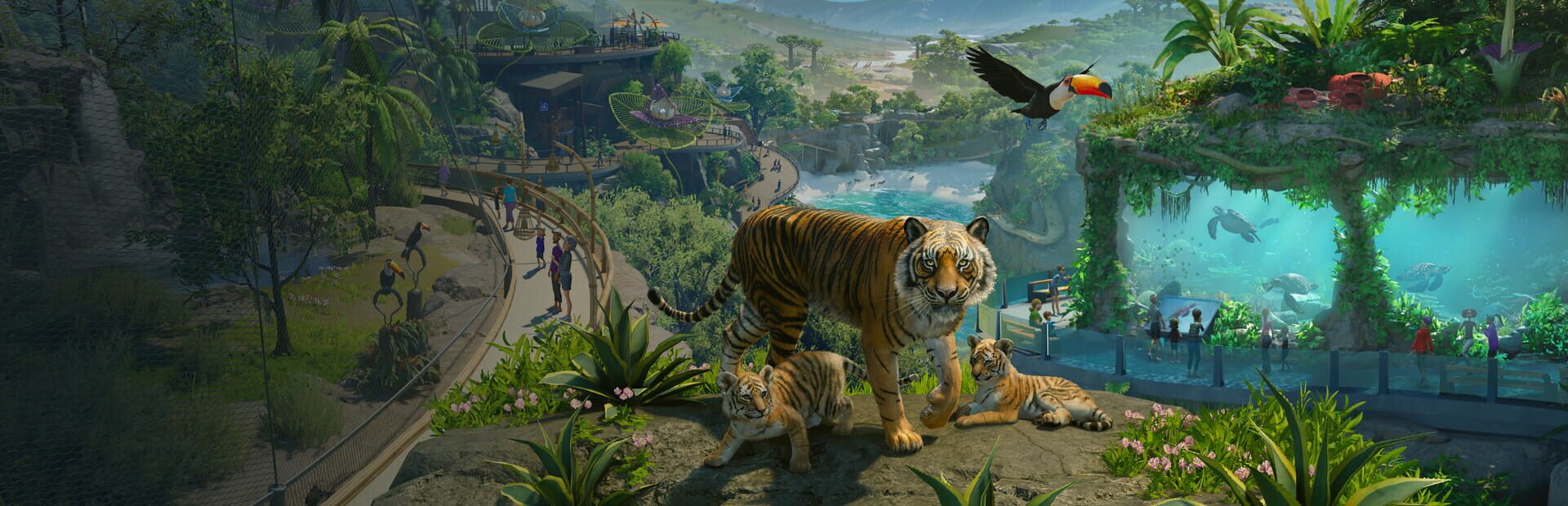
Frontier Developments has officially expanded the roster for the upcoming simulation title Planet Zoo 2. With the game scheduled for release on October 13, the developer confirmed that players will have access to six additional animal species immediately upon launch. This announcement provides prospective zoo managers with a clearer picture of the biodiversity available when the game hits PC platforms.
New Species Additions Detailed
The latest update to the game's roster includes a mix of terrestrial and aquatic creatures, requiring players to adapt their management strategies to accommodate specific environmental needs. For instance, the inclusion of the Bactrian Camel will force players to carefully manage desert-like habitat conditions, while the addition of aquatic species introduces new maintenance requirements for water-based enclosures.
The confirmed list of new species includes:
- Monarch butterfly: A new insect species for specialized exhibits.
- Bactrian Camel: A large mammal requiring specific arid habitat management.
- Wild boar: A versatile addition for temperate forest enclosures.
- Common ostrich: A large flightless bird for savanna-themed areas.
- Threespot damselfish: A colorful addition for saltwater aquarium setups.
- Moon jellyfish: A specialized aquatic species for advanced marine exhibits.
Practical Impact on Gameplay
The introduction of these six species significantly alters the planning phase for zoo construction. Players can now incorporate the Moon jellyfish and Threespot damselfish into their aquatic designs, which necessitates the use of specialized filtration and tank systems. Furthermore, the inclusion of the Monarch butterfly and the Common ostrich provides more variety for players looking to build diverse, region-specific zones. As the October 13 release date approaches, these additions serve as a core component of the game's expanded simulation mechanics. Players should prepare to adjust their enclosure layouts to meet the unique biological demands of these new arrivals, ensuring that each species receives the appropriate care and environmental conditions necessary for their well-being within the park.