
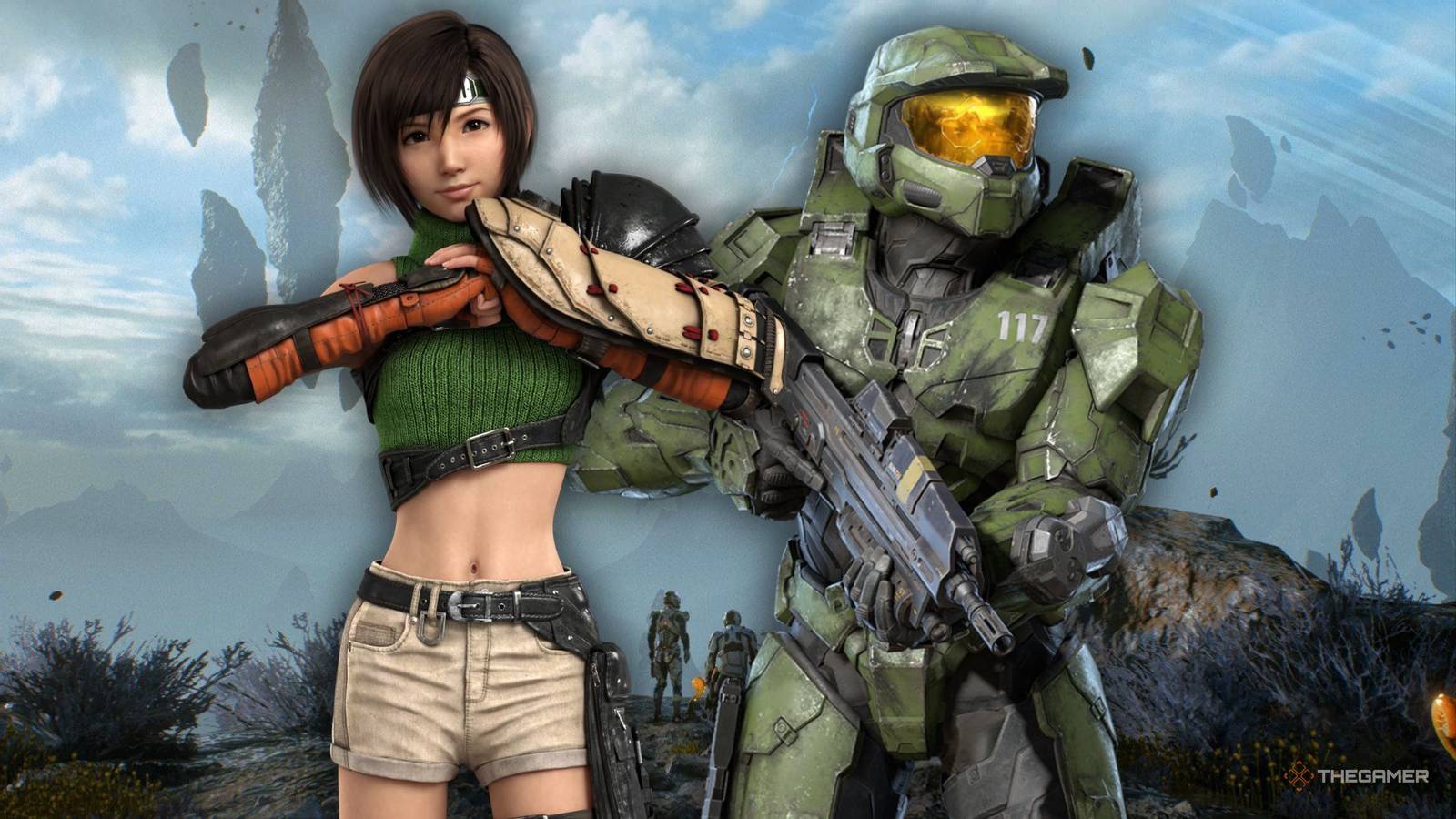
There was a time when open worlds were a technical impossibility. Once the technology caught up, they became the industry standard. But just because a series can go open world doesn't mean it should. In many cases, developers have shoehorned this format into franchises where the core gameplay loop simply doesn't benefit from the extra square footage.
The Cost of Losing Focus
For some series, the shift to an open world has diluted the tight, intentional design that made them hits in the first place. Burnout is a primary example. While Burnout Paradise is a competent game, it forces players to trek across Paradise City just to trigger an event. What was once a fast-paced menu-driven experience became a commute, and the lack of course variety compared to earlier titles is palpable.
Similarly, Mirror's Edge Catalyst attempted to translate the original game's brilliant, fast-paced parkour into a sprawling city. While the movement itself remains fun, the lack of focused level design significantly disrupts the flow that defined the series. It is a clear case where a beautiful environment cannot compensate for a loss of mechanical precision.
When Padding Replaces Pacing
Action games often suffer when they move to open environments, as the design frequently relies on tedious travel and repetitive side quests. In Gears 5, the shift to a large, skiff-traversed area felt like unnecessary padding that slowed down the third-person shooter action. Likewise, Dragon Age: Inquisition moved away from the smaller, distinct hubs of its predecessors toward individual open-world maps that were quickly infected by fetch quests and travel time.
Even Metal Gear Solid 5: The Phantom Pain struggled with this format. Many players found themselves ignoring the open-world exploration entirely, choosing instead to fly into an area, complete a specific operation, and return to base. The game's open maps often felt empty, lacking the purpose found in the series' traditional linear structure.
Misguided Evolutions
Some franchises have attempted to change their fundamental identity to fit the trend, often with poor results. Dynasty Warriors 9 abandoned the series' signature hectic, fast-paced hack-and-slash feel for a mostly lifeless open world. Halo Infinite, while successfully making vehicle travel fun on a Halo ring, suffered from a "samey" aesthetic that lacked the visual variety of early games that cycled through space stations, beaches, and deserts.
Even RPG giants haven't been immune. The transition in Final Fantasy—specifically in Final Fantasy 15 and Final Fantasy 7 Rebirth—has moved the series away from the linear progression and wide-open spaces that made early titles iconic. These modern entries often feature uninspiring quests that fail to capture the magic of the series' roots.
Perhaps most strange is the inclusion of an open world in NBA 2K. Since NBA 2K21, the MyCareer mode has been tied to "The City," an MMO-style environment. For many, this is an unwelcome complication to a single-player basketball career, proving that sometimes, a focused, linear experience is exactly what players want.