
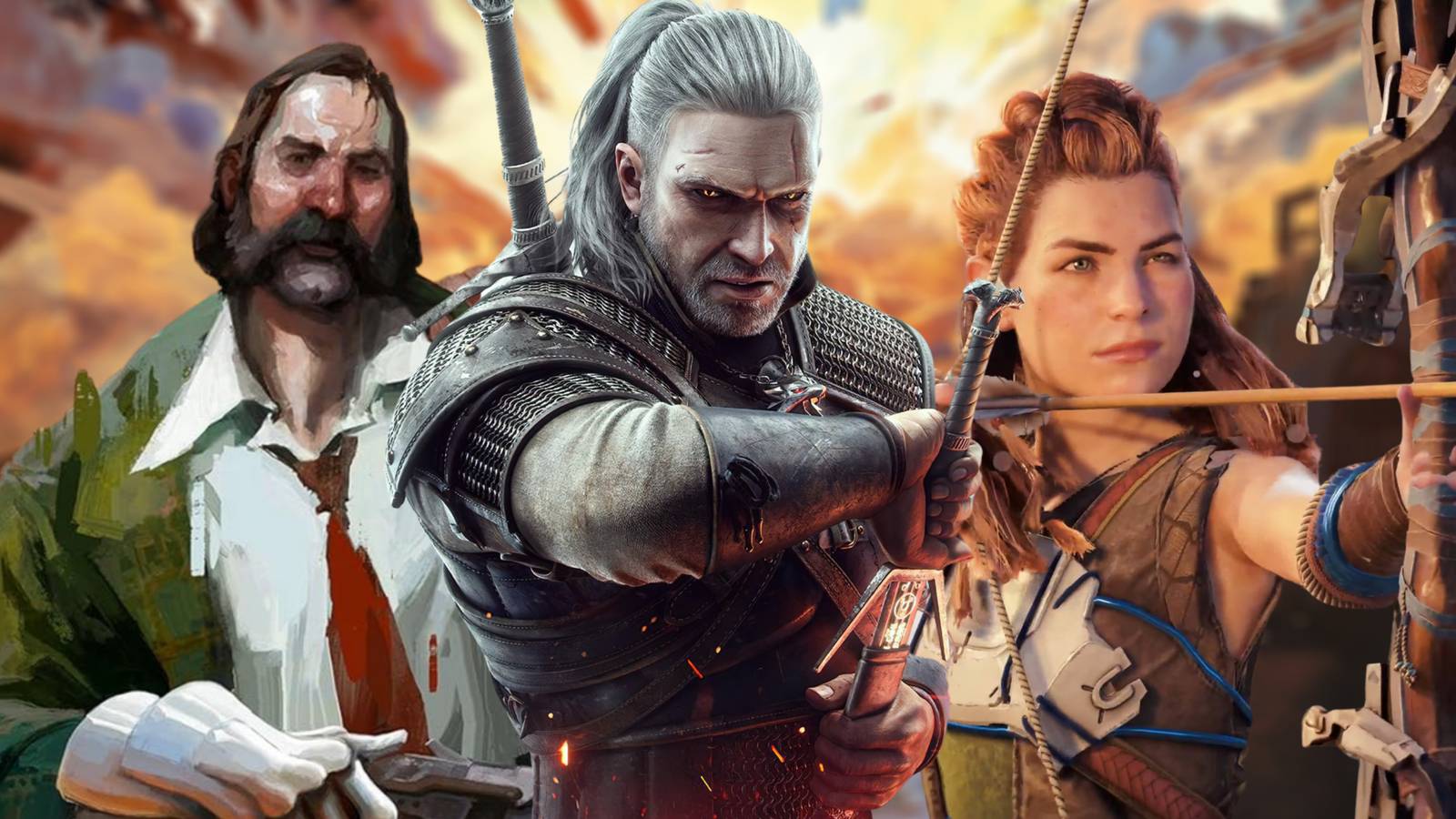
The 2010s served as a bridge between older gaming traditions and the modern era, forcing a shift in how role-playing games were designed and what players expected from them. As new console generations arrived, some developers leaned into high-end technology, while others found that profound storytelling and meaningful choices could carry a game regardless of its graphical fidelity.
- Top Ranked: Fallout: New Vegas (2010)
- Genre Shifts: Rise of the CRPG with Divinity: Original Sin 2
- Cultural Impact: The Witcher 3: Wild Hunt and Skyrim
- Focus: Story-driven mechanics and player choice
The Heavy Hitters of the Decade
When discussing the best role playing games of the 2010s, it is impossible to ignore The Witcher 3: Wild Hunt. CD Projekt Red’s hit raised the bar for open-world depth, where consequences for player decisions often didn't surface until dozens of hours later. Similarly, The Elder Scrolls V: Skyrim proved its staying power by offering a world so expansive that players could sink hundreds of hours into it without even touching the main questline, a legacy bolstered today by massive modding projects like Skyblivion.
For those seeking political depth and complex systems, Fallout: New Vegas remains a standout. Its faction system created a shifting landscape where every action determined who was a friend and who was a foe. The game is still praised for its unique aesthetic, blending the Roman-inspired Legion with classic Fallout technology.
Refining the RPG Format
The 2010s were also a period where studios took significant risks to bring classic genres into the modern era. Larian Studios’ Divinity: Original Sin 2 (2017) was a gamble on the turn-based CRPG format, which had been relatively quiet since 2009. By focusing on a dark, reactive story where every character faced real consequences, Larian proved there was a massive audience for the style, ultimately paving the way for Baldur's Gate 3.
Other titles found success by challenging traditional norms:
- Undertale (2015): Toby Fox’s 8-bit creation subverted the expectation that RPGs require constant combat, instead tracking the player's choice to pursue peace or violence through its ending.
- Horizon Zero Dawn (2017): One of the few new IPs on the list, it established a massive world and a strong female lead in Aloy, becoming a flagship title for PlayStation.
- Dragon Age: Inquisition (2014): BioWare’s entry brought in a wave of new fans by focusing on lore and relationships, allowing players to build an organization that felt like a genuine force in the world.
- Mass Effect 2 (2010): Featuring the iconic suicide mission, this title is often cited for its focus on team building and emotional stakes.
- Fable 3: This game took a unique approach by splitting the narrative into two distinct phases: rising to power as a hero and navigating the responsibilities of a reigning monarch.
The Purest Forms of Storytelling
Perhaps the most distinct entry, Disco Elysium (2019), stripped away traditional combat entirely to focus on a deep, psychological meditation on trauma and society. It stands as a testament to the idea that an RPG can be profoundly moving through its writing and internal systems alone. Whether through massive open worlds or intimate character studies, the 2010s provided a diverse array of experiences that continue to define the genre for players today.