
If you have spent your gaming life exclusively with titles released after 2015, stepping back into the world of early 2000s RPGs can be a jarring experience. There is a distinct technological and design divide between the genre's past and present, but some titles stand out as the final, definitive expressions of a bygone era. Whether due to changes in studio direction or a shift in industry standards, these games remain unique artifacts of a time when RPGs operated by a different set of rules.
The Final Pillars of the CRPG Era
For many, Baldur's Gate 2: Shadows of Amn (2001) represents the pinnacle of BioWare’s isometric work. Before the studio transitioned to projects like Star Wars: Knights of the Old Republic, they perfected the dense, text-heavy style that defined the era. While modern titles like Baldur's Gate 3 have brought the isometric style back into the mainstream, the 2000s originals relied on massive amounts of reading to build immersion and character relationships in a way that feels distinctly different from today's cinematic experiences.
Similarly, Dragon Age: Origins (2009) serves as the last true representative of that decade's CRPG philosophy. It offered a deep, lore-rich world where the story could branch in numerous directions, providing a level of narrative freedom that became rarer as the industry moved forward.
Design Shifts: From Hubs to Open Worlds
The transition from hub-based design to the expansive open worlds we see today is best illustrated by The Witcher 2: Assassin of Kings (2011). It is a product of its time, organized around distinct hubs rather than the sprawling, city-filled maps that define modern RPGs. The contrast between it and its successor, The Witcher 3, highlights just how quickly development philosophies shifted.
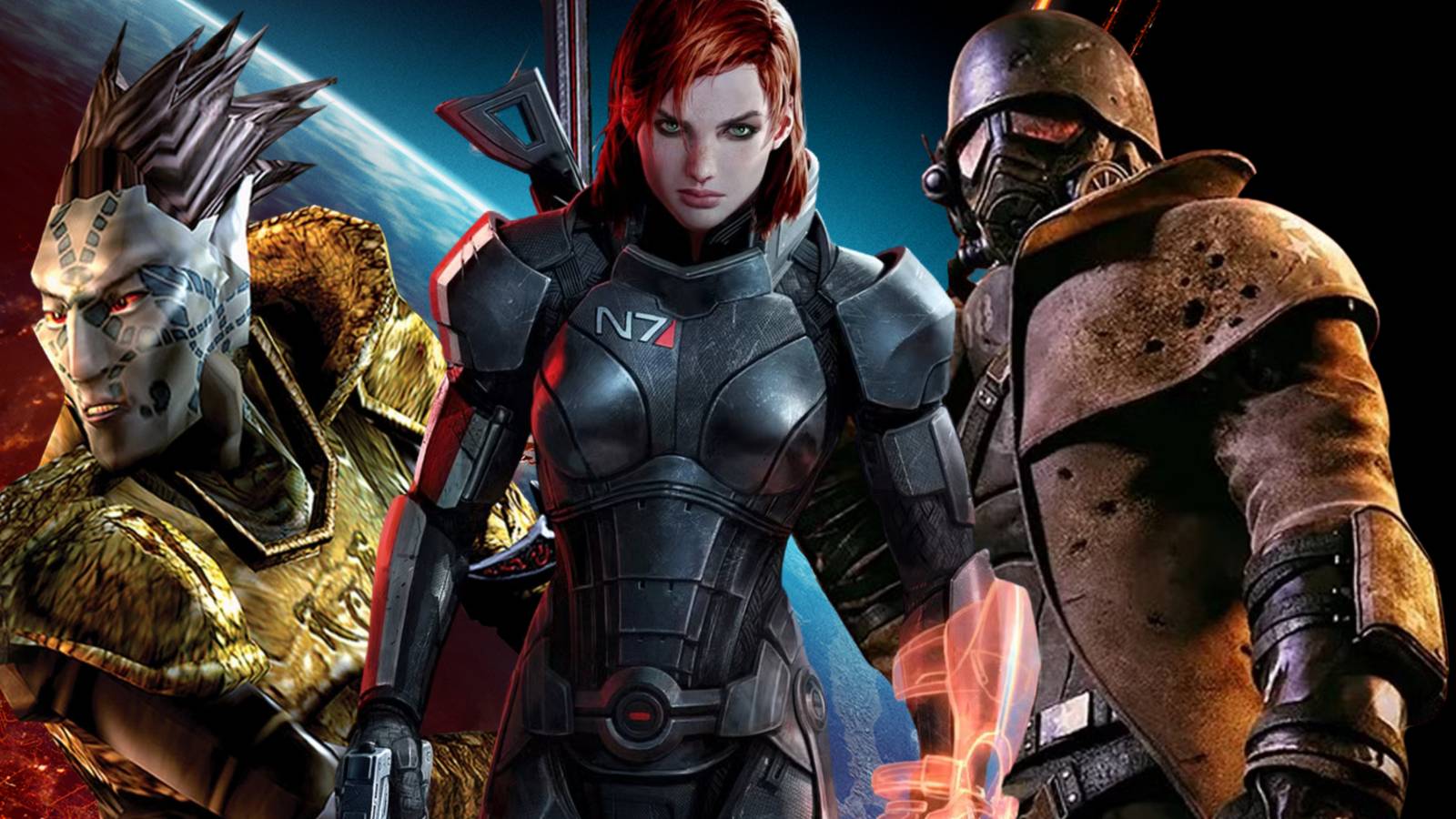
The move toward modern convenience also meant the loss of certain challenges. Morrowind stands as the final Elder Scrolls title that refused to hold the player’s hand. With no map markers and no fast travel, the game forced players to rely on their journals and the actual game map. While this meant a steep learning curve and a slower pace, it created an unmatched sense of discovery that many players still find magical today.
The Evolution of Choice and Consequences
Modern gaming has largely moved away from the save-transfer systems that made Mass Effect 3 (2012) feel like a true conclusion. By tracking years of decisions—from Shepard’s appearance to minor character interactions—the trilogy created a sense of continuity that is rarely replicated today.
The era also saw a shift in how franchises handled their identity. Fallout: New Vegas (2010) remains the final Fallout game to prioritize story and character-driven choices, particularly when compared to the more system-heavy approach of Fallout 4. Meanwhile, the release of Star Wars: The Old Republic (2011) signaled a different kind of change: the shift toward the MMO format, which left fans of the Knights of the Old Republic single-player experience with no direct sequel, despite the former's own notable storytelling moments.
Even the way we interact with game worlds has changed. Neverwinter Nights 2 was one of the last mainstream titles to make it easy for players to create and share their own custom campaigns. Those LAN-party experiences of running homebrew modules are a far cry from the co-op modes found in modern PC gaming, marking the end of a specific, collaborative era of CRPG design.