
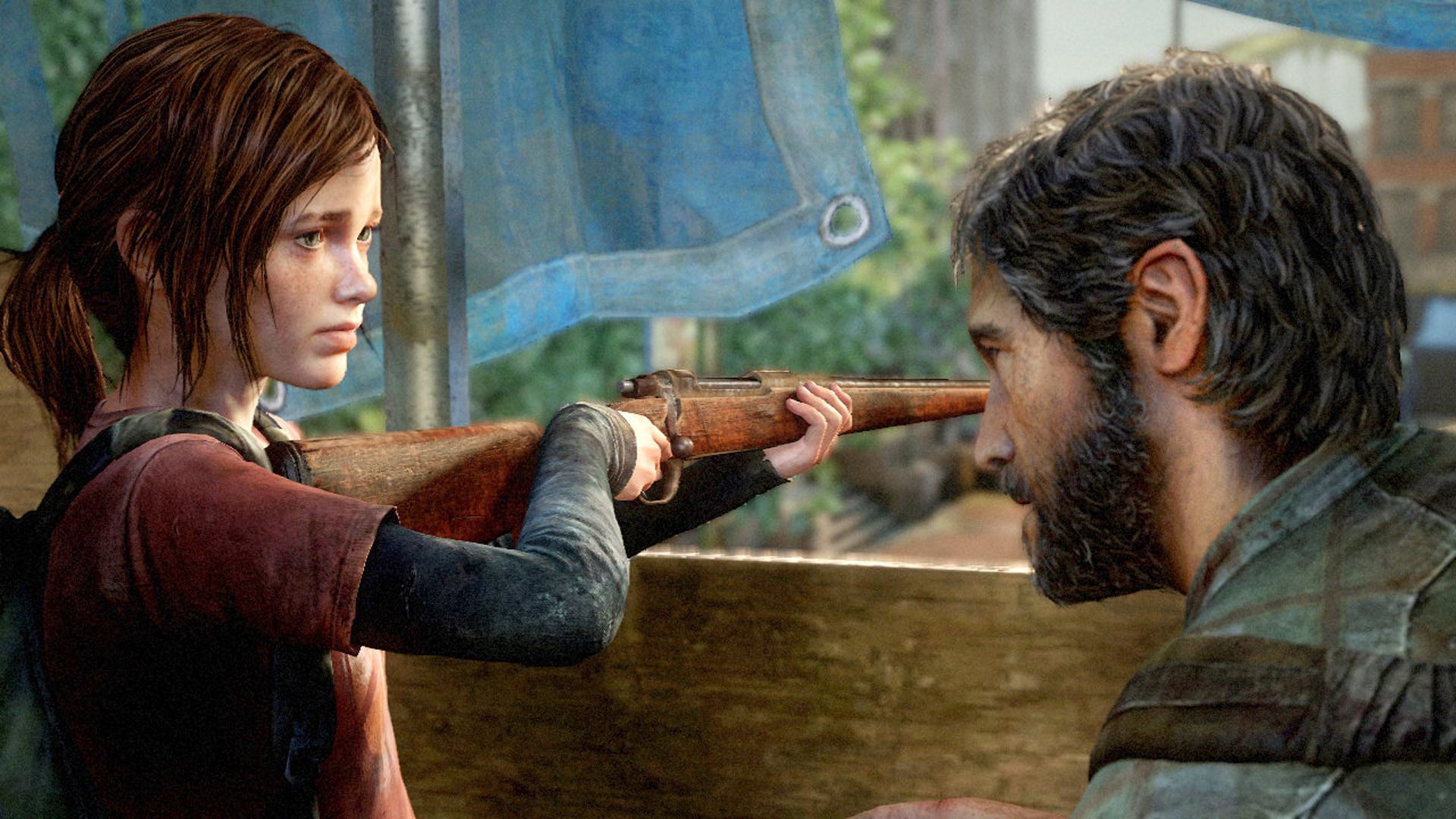
- Game: The Last of Us
- Developer: Naughty Dog
- Original Release Date: 2013-06-14
- Platforms: PlayStation 3, PlayStation 4
Naughty Dog, the studio responsible for the critically acclaimed title The Last of Us, faced significant internal and executive skepticism regarding the game's commercial viability during its production. Despite the franchise now standing as one of the most successful properties in the PlayStation portfolio, early projections from Sony leadership suggested the project would struggle to find an audience, resulting in initial plans for a restricted marketing budget. These insights into the development history of the 2013 survival-horror adventure highlight the contrast between the studio's previous high-octane work and the somber, narrative-driven experience they ultimately delivered.
The Last of Us Development Challenges Compared to Uncharted 3
The transition from the Uncharted series to The Last of Us represented a major shift for the development team at Naughty Dog. Following the completion of Uncharted 3: Drake's Deception, the studio moved toward a project that prioritized emotional weight and survival mechanics over the pulpy, action-oriented spectacle of Nathan Drake’s adventures. According to Quentin Cobb, a former designer at the studio, this shift created a sense of uncertainty within the office.
Cobb noted that the team was moving from a well-established, high-energy formula to something entirely different. The internal reception at the studio was not universally confident, as some developers questioned whether the audience would connect with such a dark and grounded narrative. This period of transition serves as a point of reference for how flagship studios manage creative risks when moving away from proven commercial successes.
Why Did Sony Doubt the Success of The Last of Us?
The skepticism surrounding the game reached the highest levels of corporate management. As reported by In Game News, Quentin Cobb shared that a high-level Sony executive reviewed the game while determining the appropriate marketing budget. The executive concluded that the title would not perform well, suggesting that the company should allocate only a small budget for its promotion.
This lack of faith from leadership underscores the difficulty of predicting the success of a new intellectual property, particularly one that deviates from the established genre trends of the time. While survival-horror games like Resident Evil and Silent Hill had maintained dedicated fanbases, the scale of investment and the mainstream expectations placed upon Naughty Dog as a primary Sony developer made the hesitation from executives a notable part of the project's history.
Internal Skepticism at Naughty Dog
The doubt was not limited to corporate boardrooms. Internal team members also expressed reservations about the project's direction. As Cobb explained, the team had just finished working on a major blockbuster entry in the Uncharted franchise, and the pivot to a post-apocalyptic, infection-based story felt jarring to some. The uncertainty within the studio was rooted in the radical difference in tone and gameplay pacing compared to their previous output.
Marketing and Commercial Expectations
The decision to limit the marketing budget reflects a broader industry tendency to prioritize games with clear, immediate appeal. At the time, the industry was heavily focused on action-heavy experiences. The slow-burn, character-focused nature of Joel and Ellie's journey did not immediately signal the massive commercial success it would eventually become. The following table summarizes the key factors contributing to the initial lack of confidence in the project:
| Factor | Impact on Perception |
|---|---|
| Genre Shift | Moved from action-adventure to survival-horror |
| Previous Success | High expectations following Uncharted 3 |
| Executive Oversight | Low confidence led to restricted marketing budget |
| Internal Doubt | Developers questioned audience reception |
The Lasting Impact of The Last of Us
Despite the initial hesitation from Sony leadership and internal team members, The Last of Us achieved a 95 Metacritic score and defined a new standard for narrative storytelling in games. The journey of Joel and Ellie resonated globally, proving that players were receptive to serious, emotional subjects within the medium. This success eventually led to a major television adaptation, further cementing the franchise's place in popular culture.
The transformation of the title from a perceived commercial risk into a cornerstone of the PlayStation library remains a significant case study in game development. For more details on the evolution of this series, you can check out our PlayStation news coverage or explore our archives regarding Naughty Dog development history.
Frequently Asked Questions
The following questions address common inquiries regarding the development history of this title.
Why did Sony doubt the success of The Last of Us?
A high-level Sony executive doubted the commercial potential of The Last of Us, leading them to suggest a minimal marketing budget for the title.
Did Naughty Dog developers think The Last of Us would fail?
Yes, some members of the Naughty Dog team were skeptical during development, questioning whether players would understand or enjoy the game's shift in tone.
What did Sony executives say about The Last of Us marketing budget?
A Sony executive stated that the game was not expected to perform well and therefore required only a small marketing budget.