
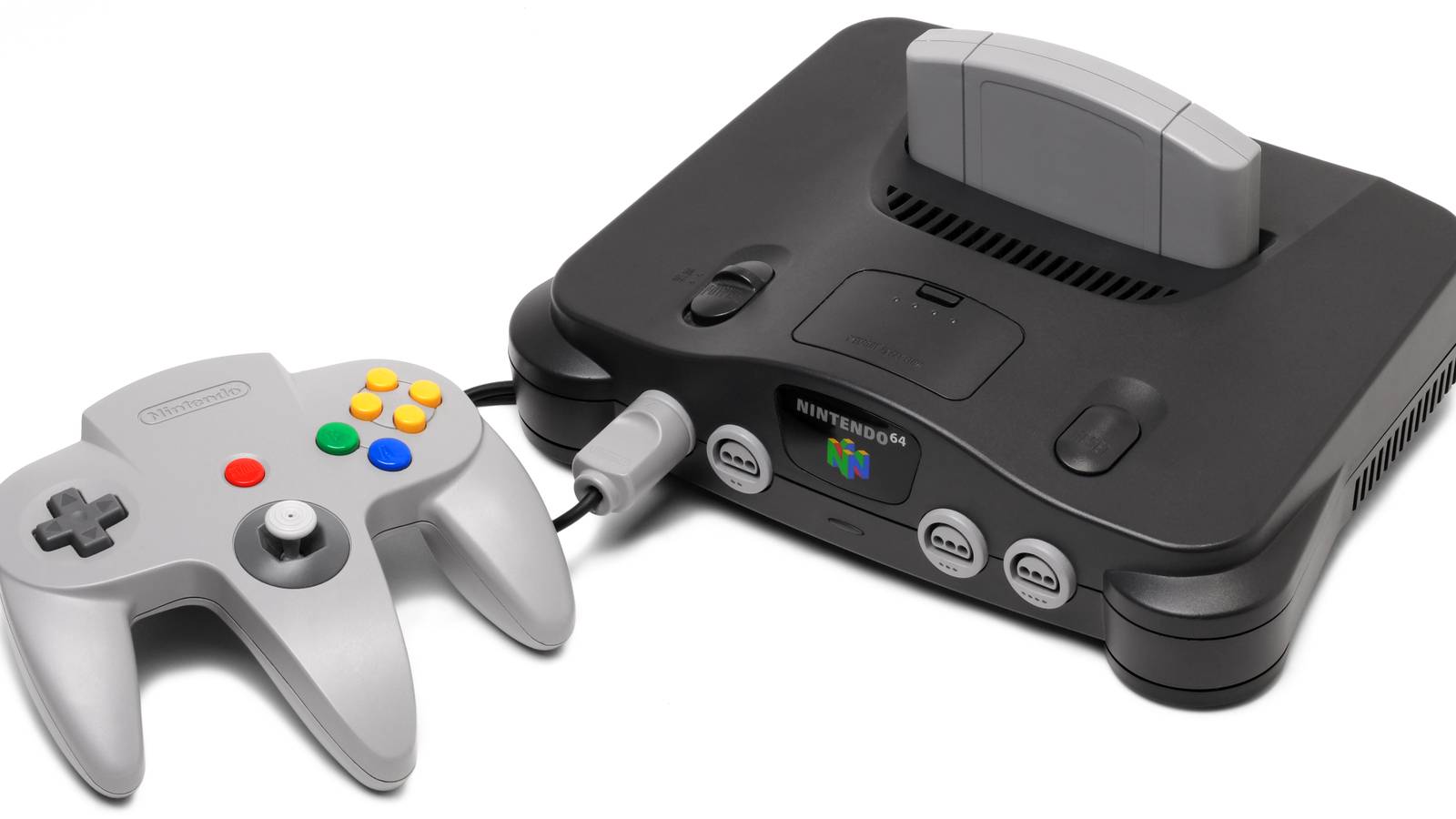
Nintendo has been in the hardware game long enough that it is easy to take their success for granted. As we hit the 30-year mark for the Nintendo 64, it is worth looking back at the titles that defined the system. While recent projects like the Starfox title for Switch 2 and the upcoming The Legend of Zelda: Ocarina of Time remake have grabbed headlines, one game remains a constant pillar of the library: Mario Kart 64.
Proving the Sequel Could Deliver
When the Nintendo 64 first hit store shelves, it did so without a Mario Kart game. At the time, this wasn't unusual for console launches. In Japan, Super Mario 64 and Pilotwings 64 were the primary drivers for adoption. North American players saw a similar lineup, with Cruis’n USA joining the fray in early December. Mario Kart 64 followed shortly after, launching in Japan just two weeks later before heading west the following year.
The game had a lot to prove, but it quickly established that the franchise was more than a one-hit wonder. It introduced a level of personality and mechanical depth that separated it from its SNES predecessor. The character roster saw shifts, with Wario and Donkey Kong stepping in to replace Koopa Troopa and Donkey Kong Jr., and the track designs became more distinct. Tracks like Wario’s Stadium, with its hilly indoor terrain and famous shortcuts, and the jungle-themed Donkey Kong track, showed that the developers were leaning into the strengths of the N64 hardware.
The Birth of Dynamic Difficulty
If you have ever felt the sting of a blue shell, you can trace that frustration back to this entry. Mario Kart 64 is the origin point for the series' famous "rubber banding"—a system of dynamic difficulty designed to keep matches competitive. In the original Super Mario Kart, it was common to simply lap your opponents. In the sequel, however, the game actively intervenes: the further ahead you are, the more frequently you are targeted by other drivers and items. Conversely, those struggling at the back of the pack are granted access to more powerful weapons to help them catch up.
Mastering the Drift
Beyond the items, the game introduced a layer of skill that changed how players approached the track: the drift. In the SNES original, hopping to slide was a risky maneuver that could result in a spin-out if held too long. Mario Kart 64 refined this into a reward system. By hopping into a turn and holding the slide, a player’s tires begin to smoke. If you steer against the drift, the smoke turns red, and releasing the button at the right moment grants a speed boost. This technique, often called "snaking," allowed skilled players to maintain momentum even on straightaways.
If it has been a while since you last picked up a controller, you can currently play Mario Kart 64 via the Nintendo Switch Online Expansion Pass. It remains a vital look at the game that solidified Mario’s racing legacy, making his drive to succeed almost impossible to ignore.