
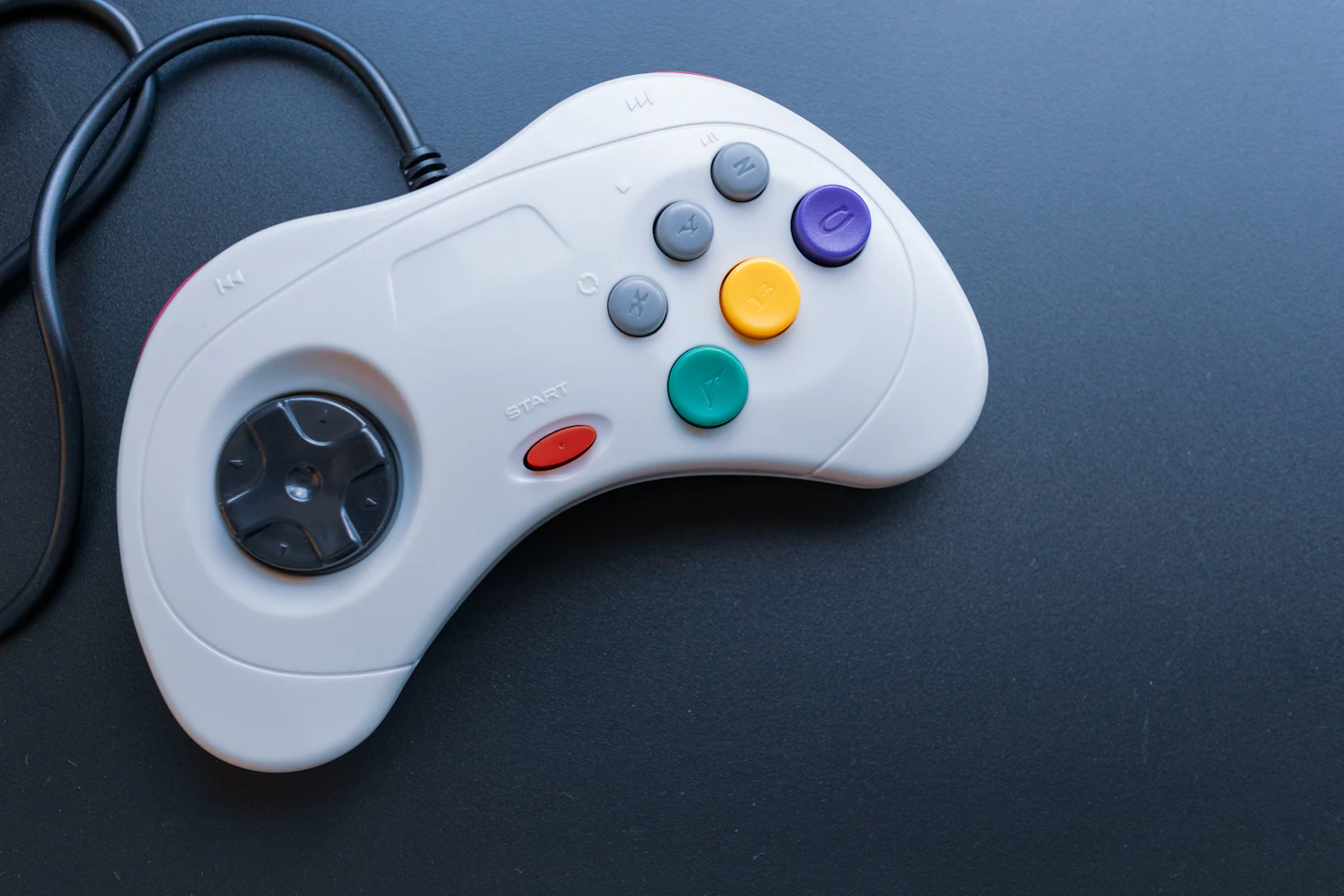
What was once a hobby defined by affordable, high-quality entry points is changing. As we head into the later half of 2026, the cost of entry for gaming hardware has ballooned to a point where a $1,000 price tag for a base model console is no longer an outlier—it is becoming the new standard.
This shift is highlighted by the recent Steam Machine announcements. The 512GB version of that system is set to retail for £879 / $1,049, and that price doesn't even include a controller. When you factor in the ongoing global PC component shortages, the math for a next-generation console launch becomes increasingly difficult to balance.
The PS6 Dilemma: Can Sony Succeed?
Rumors currently peg the PlayStation 6 for a 2027 release. However, the current economic climate—where housing, fuel, and food costs are at all-time highs—makes the prospect of a $1,000 console launch feel like a massive gamble. Even with a strong marketing push, Sony faces the reality that for the mass market, entertainment spending is often the first to be cut when household budgets are squeezed.
- Projected PS6 Window: 2027–2029
- Market Concern: Rising cost of living and PC component shortages
- Strategy: Return to strict single-player hardware exclusivity
- Reader Sentiment: 56% of voters would wait for a price drop
There is also the matter of the current generation. Many enthusiasts feel the PS5 has not yet been pushed to its limit, especially with the PS5 Pro still relatively fresh on the market. Launching a new system in 2027 would leave many feeling that the previous generation was cut short. A 2028 or 2029 launch might be more palatable, but the fundamental question remains: will the world be in a position to afford it?
Exclusivity and the Future of PlayStation
Sony is clearly preparing for the next generation by pulling its single-player exclusives back onto PlayStation hardware. Titles like Horizon 3 are expected to be key pillars for the PS6, offering software that simply cannot be played elsewhere. While these titles will likely entice the hardcore user base, they may not be enough to overcome the barrier of a four-figure entry price.
In a recent poll of our readers, only 10% said they would be there on day one for a $1,000 console. A significant 56% stated they would wait for a price drop, while 14% noted they had no interest in the system at all. If the mass market follows this trend, Sony may find that even the most powerful hardware and the greatest launch lineups struggle to find a home in a difficult financial climate.
Something has to give. If Sony moves forward with a $1,000 price point, they risk launching to empty shelves. For the sake of the industry, many are hoping for a more sustainable path forward.