
- Game: Fatekeeper
- Developer: Paraglacial
- Release Date: June 2, 2026
- Platform: PC
A Fatekeeper preview reveals that a few refinements could make this title truly special by the time it exits its current development phase. Released on PC on June 2, 2026, by developer Paraglacial, the game presents a dark fantasy world that immediately evokes comparisons to established genre staples. Our coverage at In Game News suggests that while the core experience is solid, the project requires specific adjustments to reach its full potential as a standout action-RPG.
Fatekeeper Gameplay Impressions and Analysis
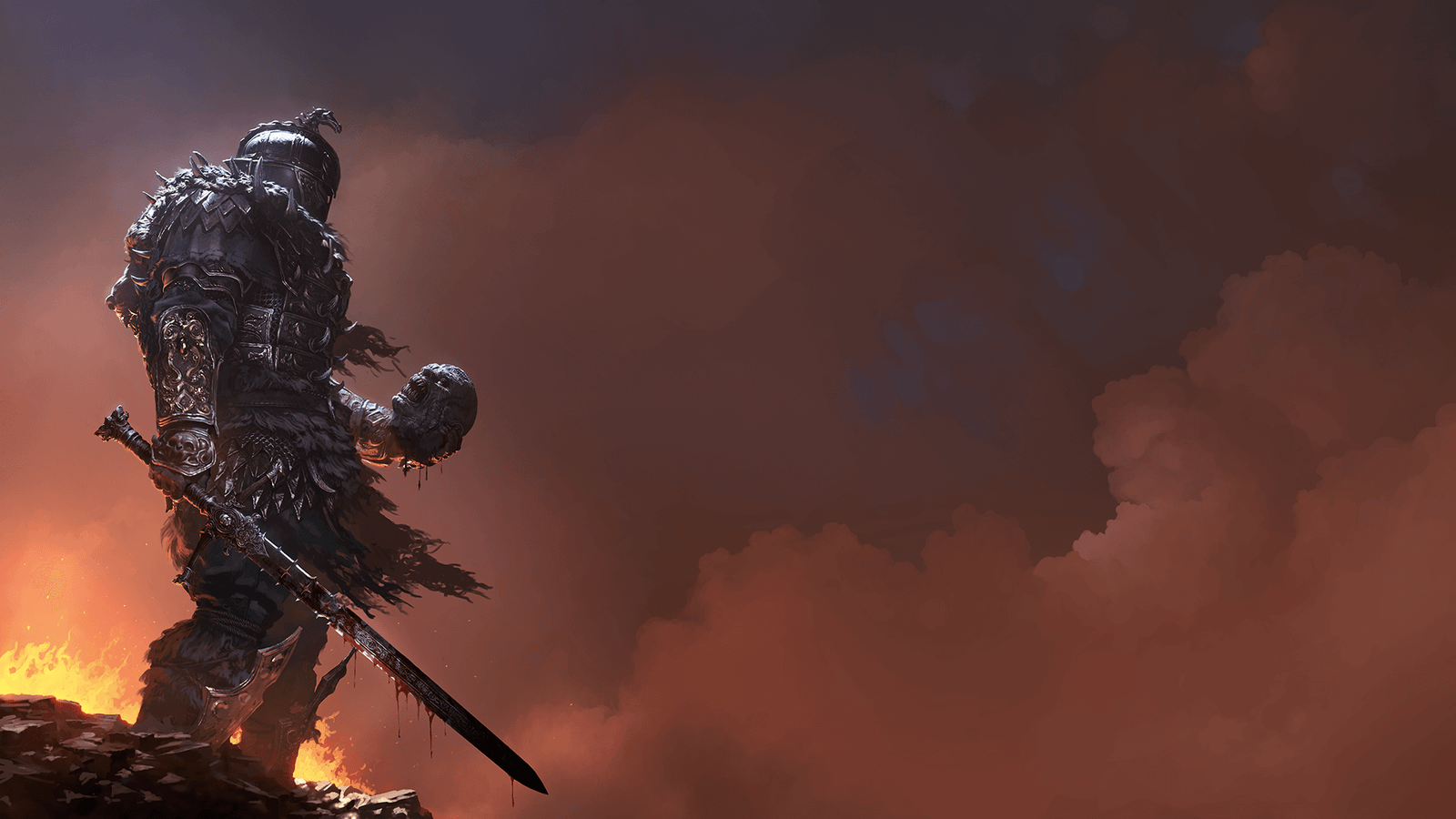
Upon entering the world of Fatekeeper, players will recognize a distinct visual and mechanical identity. The game draws heavily from the atmosphere of FromSoftware’s Souls series while maintaining the first-person perspective and physics-based interactions seen in titles like The Elder Scrolls IV: Oblivion and the 2006 classic Dark Messiah of Might and Magic. For those wondering if Fatekeeper is worth playing in 2026, the answer lies in its mechanical execution. The game successfully synthesizes these disparate influences into a coherent, albeit early-stage, action experience that prioritizes player agency during engagements.
As we noted in our early impressions, the game is currently in a state where the foundation is strong, but the balance of encounters remains an area for improvement. The developer, Paraglacial, has created a system that feels responsive, yet the sheer density of enemies in certain corridors can lead to frustration rather than a test of skill. This balance is critical for any title attempting to bridge the gap between high-stakes combat and exploration-heavy RPG design.
Understanding the Core Combat Mechanics in Fatekeeper
The combat in Fatekeeper is built around a standard but well-executed loop: attack, guard, and dodge. While these mechanics are familiar to anyone who has spent time with first-person RPGs, the implementation here is noticeably polished. Players manage a combat kit consisting of three distinct slots:
- Primary Weapon: Usually a sword or axe, serving as the main source of melee damage.
- Secondary Weapon: Typically a dagger, which currently lacks the damage output to justify frequent use.
- Free Hand: Dedicated to casting a variety of spells that provide tactical advantages.
The magic system acts as the primary differentiator in combat. Unlike the secondary weapon, which often feels like an afterthought, the spells are essential for controlling the battlefield. Players can utilize Ice to freeze or slow enemies, Fire to apply damage-over-time effects, Telekinesis to manipulate objects or enemies, and Wind to displace foes. The Wind spell is particularly effective for crowd control, allowing players to push ranged enemies off ledges or platforms, effectively neutralizing threats before they can overwhelm the player.
The Challenge of Enemy Density
One of the most persistent issues identified during our testing is the volume of ranged enemies encountered in specific zones. Because the combat system relies on precise movement and timing, being targeted by multiple projectiles simultaneously can create a bottleneck. In our RPG news coverage, we have tracked how these design choices impact the overall flow of the game. When the density of ranged attackers is too high, the player is often forced to rely on specific spells, which can limit the variety of viable combat styles.
Refining these enemy placements will be a priority for Paraglacial as they work toward the 1.0 release. Reducing the frequency of these encounters or providing more environmental cover would allow players to utilize their full combat kit rather than feeling forced into a singular, defensive playstyle.
Evaluating the Potential of the 1.0 Release
As we continue our PC gaming analysis, it is clear that Fatekeeper has the bones of a high-quality action-RPG. The transition from early access to a full release will depend heavily on how the developer addresses these early feedback points. The combat is satisfying and the spell-casting feels impactful, but the current balance issues—specifically regarding weapon utility and enemy encounter design—prevent the game from achieving its full potential.
Players who enjoy the challenge of Souls-like combat combined with the immersion of a first-person perspective will likely find much to appreciate here. However, those looking for a perfectly balanced experience may prefer to wait for the subsequent patches that address these early-access concerns. Paraglacial has a solid foundation, and with the right adjustments, the final version of Fatekeeper could offer a unique experience that stands out in a crowded market.
Frequently Asked Questions
Is Fatekeeper worth playing in 2026?
Fatekeeper offers a unique, polished combat experience that blends first-person action with RPG elements, making it worth considering for fans of the genre, though it currently requires some balancing refinements.
Does Fatekeeper feel like Dark Souls and Oblivion?
Fatekeeper features a dark fantasy aesthetic reminiscent of Dark Souls and first-person combat mechanics that draw comparisons to The Elder Scrolls IV: Oblivion and Dark Messiah of Might and Magic.
What are the core combat mechanics in Fatekeeper?
The core combat in Fatekeeper centers on a cycle of attacking, guarding, and dodging, supplemented by a versatile magic system that allows players to use spells like Ice, Fire, Telekinesis, and Wind.