
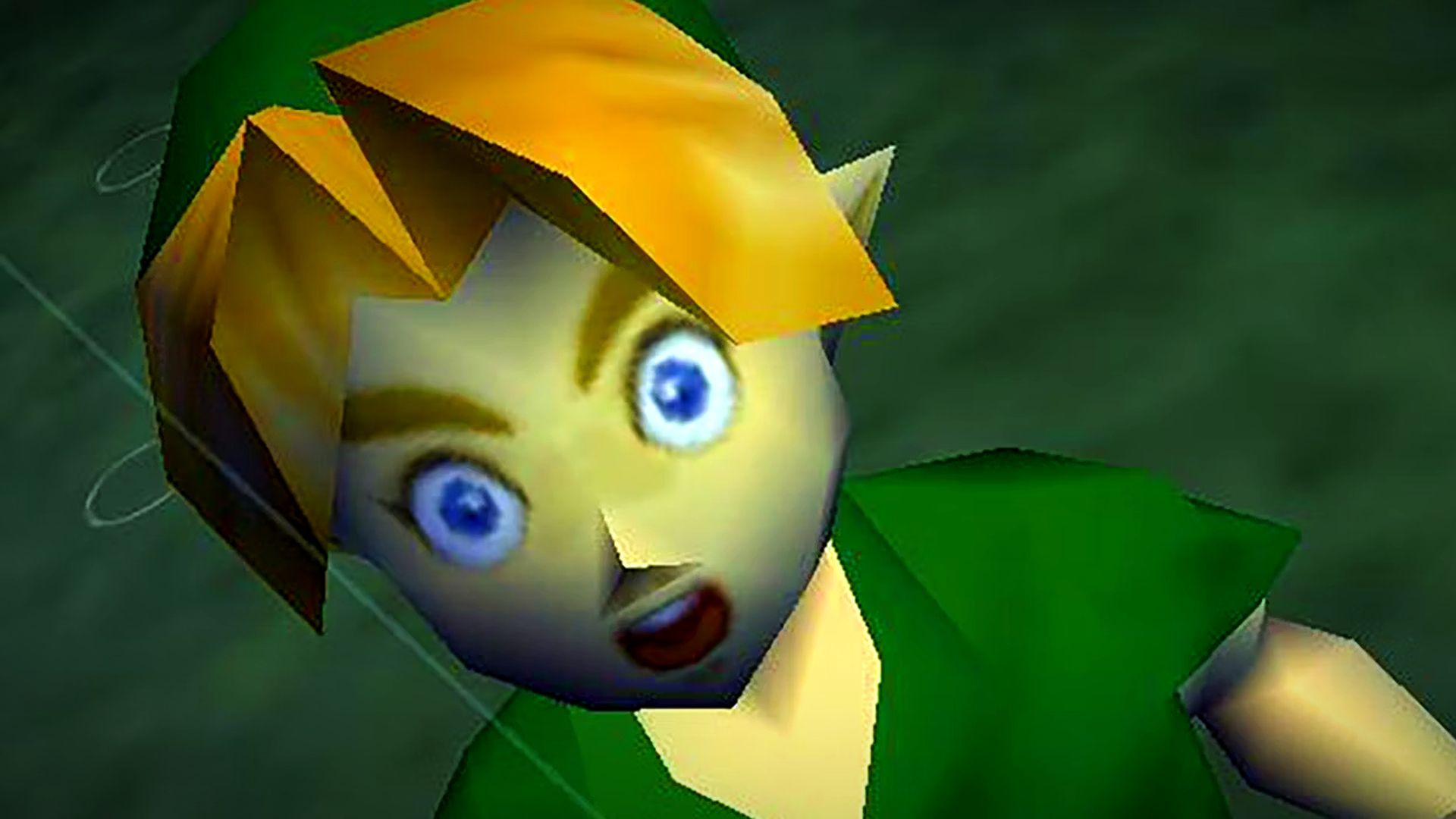
- Game: The Legend of Zelda: Ocarina of Time / Star Fox 64
- Developer: Nintendo
- Original Release: 1998-11-21 (Ocarina of Time)
- Platform: Nintendo Switch
Nintendo is currently navigating a strategy that leans heavily into its back catalog, with a Star Fox 64 remake currently in development and persistent rumors surrounding a potential update to The Legend of Zelda: Ocarina of Time for the Nintendo Switch. These projects highlight a shift in how the publisher manages its extensive intellectual property portfolio as it seeks to balance the demands of long-term fans with the need to reach new audiences in 2026.
The Strategic Pivot Toward Legacy Content
The decision to revisit titles from the 1990s is a calculated move for Nintendo. By focusing on established hits, the company minimizes the financial risks associated with original game development. Former Nintendo marketing leads Kit Ellis and Krysta Yang, who managed the company’s promotional efforts from the Wii era through 2022, have analyzed this trend in recent public commentary. According to their observations, Nintendo possesses a unique advantage: a deeper well of nostalgia than almost any other entity in the gaming industry.
However, this reliance on the past presents a specific set of challenges. Ellis and Yang point out that while these remakes are guaranteed to generate revenue from older demographics, they may not be effective at recruiting new, younger players. The industry has seen a rise in what some critics call "Nintendo adults," a segment of the audience that rallies behind any release associated with the brand’s history. While this dedication is a significant asset, it can inadvertently create a barrier for younger generations who may feel less connected to titles released decades before their birth.
Are Nintendo Remakes Attracting New Players in 2026?
The question of whether these remakes serve as a gateway for new players remains a point of contention. Nintendo has attempted to cultivate interest through various means, including merchandise like themed wooden blocks, yet these products often resonate more with parents than with the intended younger demographic. Ellis notes that the company’s efforts to cultivate the next generation are sometimes hindered by the very audience they rely on for initial sales success.
For those interested in the broader context of these releases, you can view our Nintendo news coverage for further updates. The current approach appears to be a dual-track strategy: maintaining the loyalty of existing fans through high-quality updates of classics like The Legend of Zelda: Ocarina of Time, while simultaneously attempting to expand their reach through modern media and varied product lines.
Shifting Perspectives on Innovation
The current focus on remakes contrasts sharply with the philosophy held during the tenure of former Nintendo president Satoru Iwata. During that era, the company placed a high premium on innovation, frequently publishing titles that explored new mechanics and unconventional themes, such as Eternal Darkness: Sanity's Requiem on the GameCube. Marketing during the Nintendo 64 era also emphasized an "edgy" identity, encouraging players to "play it loud" and embrace a counter-culture aesthetic.
Ellis and Yang recall their time at the company, noting that leadership explicitly discouraged the idea of becoming a "nostalgic company." The internal consensus was that coasting on past successes would ultimately limit the company’s future potential. By prioritizing titles like the Star Fox 64 remake, the company risks being perceived as tethered to the 1990s rather than looking toward new development horizons. This shift is particularly notable given the rising costs of modern game production, which make the safety of a legacy title more attractive to corporate stakeholders.
Key Concerns Regarding Legacy Focus
- Market Saturation: The constant stream of reboots and remakes may lead to consumer fatigue.
- Demographic Alienation: Over-reliance on nostalgia risks excluding players who lack a historical connection to the brand.
- Resource Allocation: The focus on updating older games may divert resources from developing original, innovative intellectual property.
The Role of Nostalgia in Modern Marketing
Nostalgia is not unique to Nintendo; the broader entertainment industry has seen a surge in movie sequels and TV show reboots that arrive decades after their original runs. However, Nintendo’s position is distinct due to the sheer volume of iconic franchises at its disposal. As we track the latest news on Zelda development, it is clear that the company views these remakes as a primary avenue for updating its legacy assets for contemporary hardware.
The Legend of Zelda: Ocarina of Time, which holds a 99 Metacritic score, remains one of the most critically acclaimed games in history. Its status as an action-adventure RPG cornerstone makes it a prime candidate for a modern update. Yet, the challenge remains: how to translate that 1998 magic for a 2026 audience without losing the core experience that made it a success in the first place.
Frequently Asked Questions
Is a Zelda Ocarina of Time remake confirmed for 2026?
As of 2026, Nintendo has not officially confirmed a remake of The Legend of Zelda: Ocarina of Time, though rumors persist regarding its development.
What did former Nintendo staff say about nostalgia?
Former marketing leads Kit Ellis and Krysta Yang have stated that while Nintendo possesses immense nostalgia, relying on it risks the company's ability to attract new, younger fans.
Why is Nintendo focusing on legacy game remakes?
Remakes serve as safe financial ventures for Nintendo, allowing the company to capitalize on the deep emotional connection their established fanbase has with 1990s titles.