
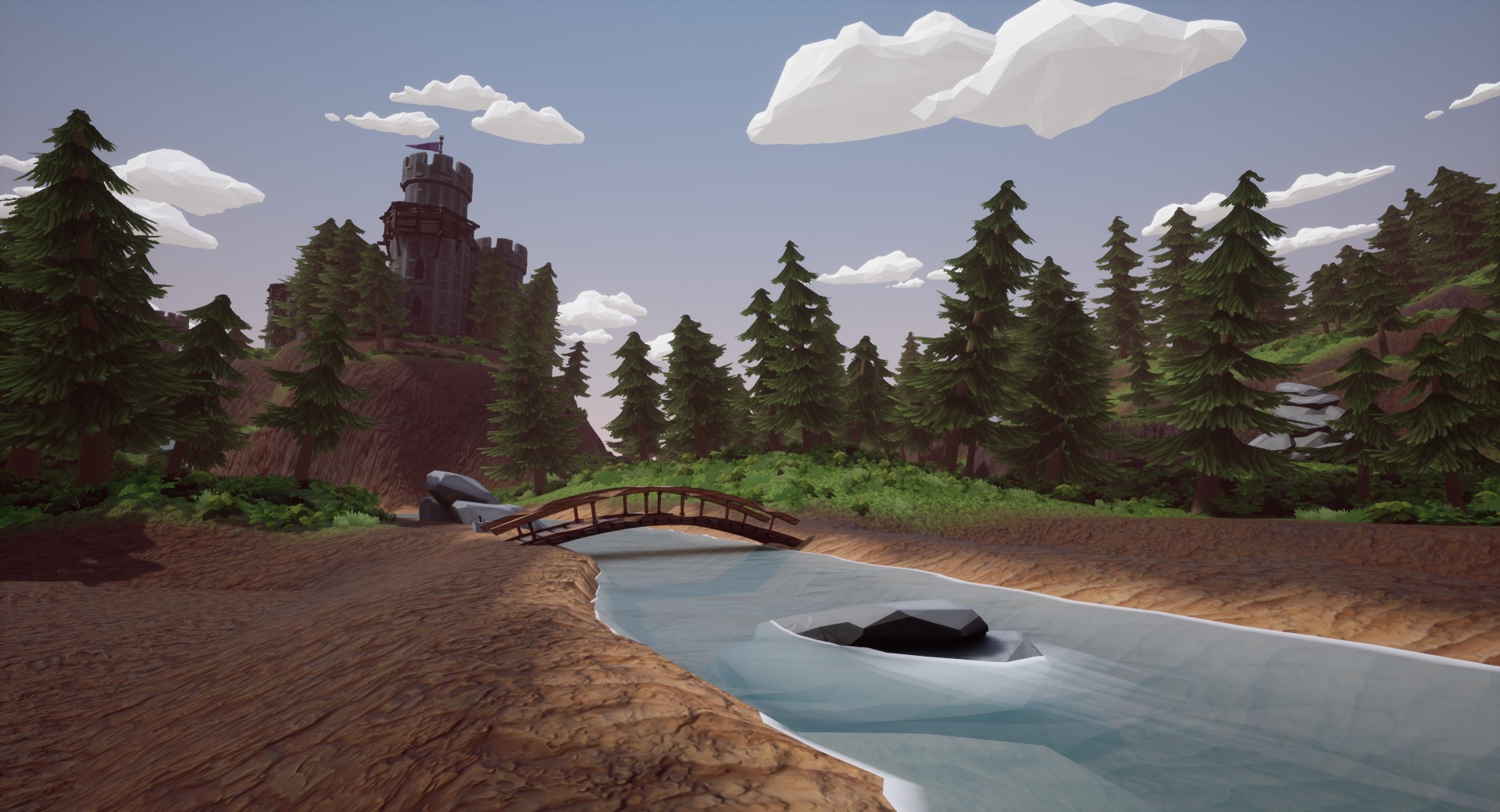
- Game: Hydroneer
- Platforms: PC, Xbox Series X, Xbox Series S
- Genre: Casual, Indie, Adventure, Simulation
- Review Score: 4/5
While players wait for major titles like Resident Evil 9 from Capcom, featuring characters like Leon Kennedy, those looking for a different kind of experience on Xbox Series X and Xbox Series S may find value in the physics-based mining simulator Hydroneer. As we look at the current market in 2026, Hydroneer stands out as a unique entry in the automation genre. At In Game News, we have spent time evaluating its mechanics to determine if it is worth buying in 2026.
Scaling the Heights of Physics-Based Automation
Hydroneer functions as a hybrid between titles like Cash Cleaner Simulator and the popular industrial automation game Satisfactory. The core loop revolves around building a mining operation from the ground up, starting with manual labor and eventually transitioning into complex, automated systems. The objective is to scale your output as high as possible, and for the most part, the game succeeds in providing a satisfying progression curve.
However, the experience is defined by its physics-based interaction model. Unlike traditional simulation games that rely on menus or automated pickups, Hydroneer requires players to interact with every object in the world physically. You can pick up and drop resources, which then interact with the environment based on their position. This is a significant departure from standard inventory management systems, as the game features no traditional inventory at all. You can only hold one item at a time, forcing a deliberate approach to how you organize your workspace.
Understanding the Manual Mining Process
The early game is where players will encounter the most friction. Because there is no inventory, transporting materials requires manual effort. You must pick up items, drop them into buckets, and then carry the buckets to your destination. To mitigate this, the game provides hand carts and vehicles, but these are secondary to the primary, manual tasks you perform at the start of your journey.
The mining process itself is hands-on. Players must use a shovel to scoop dirt chunks into a bucket. Once the bucket is filled, it must be transported to a water source to be cleaned. Only after using a brush on the bucket in the water can you uncover the ores hidden within the dirt. This process is repetitive by design, serving as the foundation upon which you eventually build your automated machines.
The Learning Curve and Control Frustrations
One of the most notable aspects of this Hydroneer Xbox Series X review is the assessment of the controls. The physics-based nature of the game makes movement and placement feel awkward for new players. Items are not dropped exactly where the center cursor is pointing; instead, they are slightly offset. While the game provides a shadow to indicate where an object will land, this visual aid is inconsistent depending on the in-game lighting conditions.
Furthermore, because the game lacks a traditional inventory, you will often find yourself accidentally picking up items you intended to place. This requires constant repositioning. While objects generally stay where they are placed on a block, you may occasionally need to clear an area if an item falls into a collision state, forcing you to back up and attempt the placement again. This level of manual interaction is a core part of the simulation gaming experience, though it will certainly test the patience of those accustomed to more streamlined interfaces.
The Path to Progress
Despite the initial hurdles, the progression system is designed to reward those who stick with it. The primary goal is to reach a state of total automation. As you earn currency and acquire more advanced machinery, the need for manual handling decreases. You can eventually set up conveyor belts, automated filters, and complex water systems that remove the need for shoveling and brushing by hand.
For those interested in how this compares to other titles in our coverage, you can check out our recent reviews of other simulation and management games. Hydroneer distinguishes itself by making the "work" part of the simulation feel tangible. While the controls are a hurdle, they also serve to make the eventual transition to automation feel earned. When you finally stop carrying buckets and watch your factory run itself, the sense of accomplishment is significant.
Frequently Asked Questions
Is Hydroneer worth buying in 2026?
Hydroneer is worth buying if you enjoy physics-based automation games and have the patience to master its manual, often challenging control scheme.
Is Hydroneer similar to Satisfactory?
Yes, Hydroneer is similar to Satisfactory in that both titles focus on scaling up industrial operations through automation, though Hydroneer relies more heavily on manual physics-based handling.
What are the pros and cons of Hydroneer?
The pros include a highly rewarding automation loop and deep mining mechanics, while the cons are the awkward, manual control scheme and the initial difficulty of transporting items.
- Deeply satisfying automation progression
- Unique physics-based mining mechanics
- Awkward and manual control scheme
- Steep learning curve for early-game logistics