
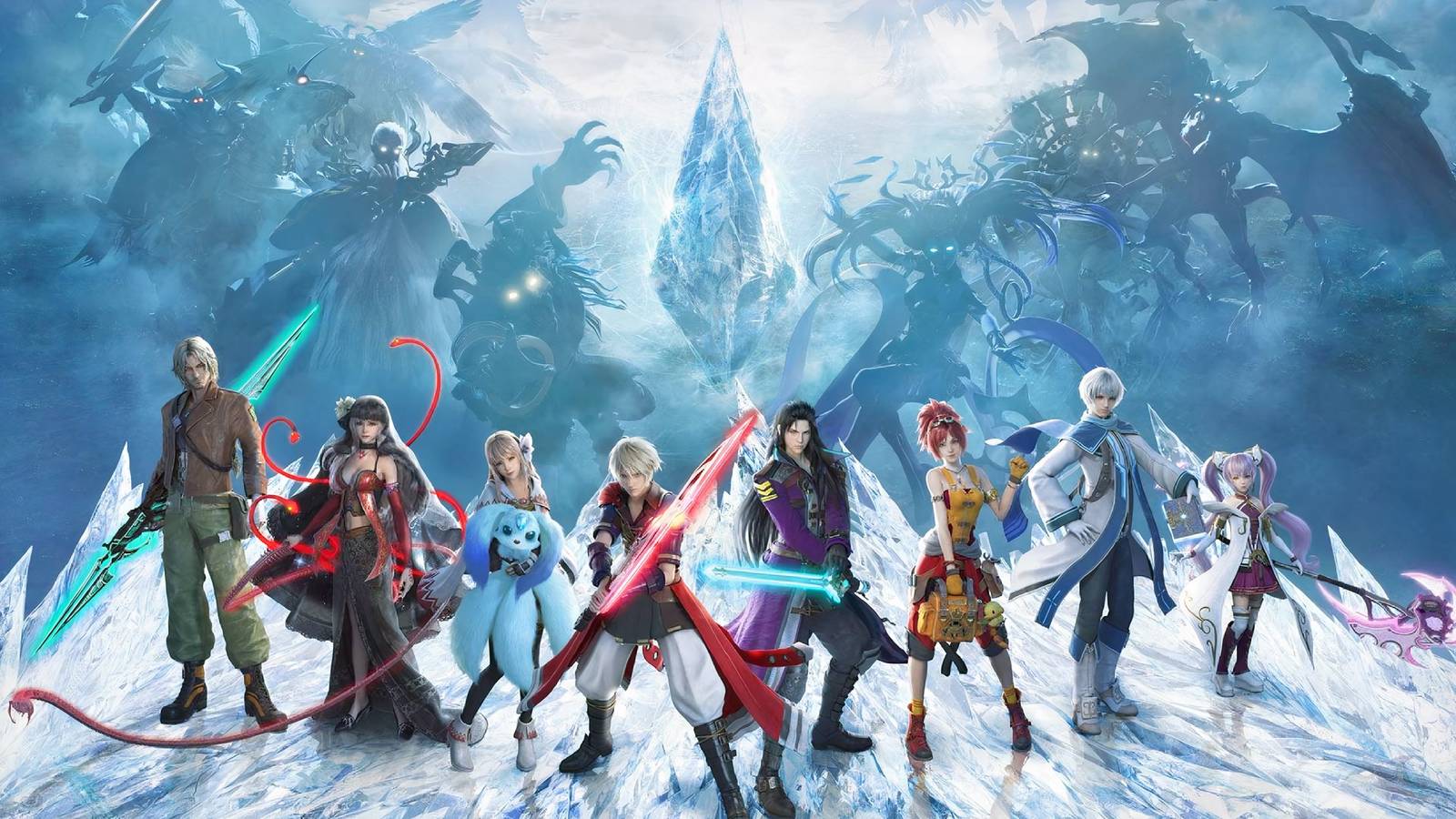
- Game: Nier Reincarnation
- Developer: Applibot
- Publisher: Square Enix
- Platform: Mobile (iOS, Android)
Discussions regarding the preservation of digital titles like Final Fantasy VII Rebirth and Final Fantasy XIV have brought the Square Enix gacha gaming policy into focus as Japanese devs explain lack of offline modes in 2026. Following the recent closure of Nier Reincarnation, a title integral to the broader lore established in the 2010 original Nier, the industry is grappling with the reality that most live-service mobile games simply vanish when their servers go dark. While fans have turned to unofficial private servers to keep the experience alive, the technical and financial hurdles preventing official offline releases remain significant.
The Technical Reality of Gacha Gaming By Quinton
At In Game News, we have monitored the ongoing discourse surrounding the lifecycle of mobile titles. The conversation gained momentum after a viral social media post highlighted a fan-led effort to make Nier Reincarnation playable via private servers. This project, which lacks any official endorsement from Square Enix, serves as a flashpoint for the broader debate on game preservation. As we reported, the frustration stems from the fact that these games often contain significant narrative content that is lost forever once service ends.
The sentiment is not unique to the Nier franchise. Titles like Final Fantasy: Brave Exvius have previously shuttered, leaving players with no way to revisit the stories or characters they invested in for years. While some titles, such as Animal Crossing: Pocket Camp, have successfully transitioned to a premium, pay-once-and-play model, these remain rare exceptions rather than the industry standard.
Why Japanese Developers Avoid Offline Modes for Gacha
The technical architecture of modern gacha titles is the primary barrier to preservation. Long-time industry developer Itchie recently addressed this via social media, noting that while the desire for offline versions is understandable, the implementation is rarely straightforward. Most of these games are built with heavy reliance on server-side processing for game logic, progression, and data verification. To release an offline version, developers would effectively need to rewrite large portions of the game's code to function on a local device.
This process involves more than just removing the microtransaction store. It requires re-engineering the game to handle tasks that were previously offloaded to the cloud, such as combat calculations, event scheduling, and database management. For many studios, the return on investment for such a massive undertaking is insufficient, particularly for older titles that have reached the end of their profitability cycle.
The Preservation Gap
The lack of a unified Square Enix gacha game preservation policy 2026 means that each title is handled on a case-by-case basis, often resulting in complete data loss. When a game is removed from app stores, the assets and narrative segments are effectively deleted from the official record. While some players attempt to archive cutscenes or gameplay footage, these methods fail to replicate the interactive nature of the original experience.
The following table outlines the key challenges developers face when considering an offline transition:
| Challenge | Description |
|---|---|
| Server-Side Logic | Core game mechanics are processed on remote servers, not the user's device. |
| Data Architecture | Game state and player progress are stored in centralized databases. |
| Resource Allocation | Re-engineering requires significant developer hours that could be spent on new projects. |
| Legal/Licensing | Third-party assets or music licenses may expire upon server closure. |
Are Gacha Games Playable After Server Shutdown?
As it stands, the answer for the vast majority of titles is no. Once a publisher terminates the service, the client application becomes non-functional because it cannot establish a connection to the required servers. This leads to the question of what happens to Nier Reincarnation after servers close: officially, the game ceases to exist as a playable product. Fans are currently the only ones keeping the title accessible through unauthorized emulation and private server development.
This has led to a divide between developers and the gaming community. While fans argue that the preservation of digital history is a moral imperative, developers point to the logistical reality of maintaining software that was never intended to run offline. The debate continues to evolve as more live-service games reach their end-of-life stage, highlighting the fragility of digital-only gaming ecosystems.
For more on the industry's shifting trends, check out our industry news coverage or explore our game preservation analysis to see how other publishers are approaching these challenges.
Frequently Asked Questions
Why do gacha games lack offline modes after server shutdown?
Gacha games typically lack offline modes because they are architected with server-side logic, making the cost and technical labor required to convert them into standalone experiences prohibitively high for developers.
What happens to Nier Reincarnation after servers close?
Following the official closure of Nier Reincarnation, the game is no longer accessible through official channels, leading fans to develop unofficial private server projects to preserve the narrative.
Why do Japanese developers avoid offline modes for gacha games?
Japanese developers often avoid offline modes because the effort to re-engineer server-based systems into single-player software is viewed as a massive technical undertaking that does not align with their current development resources.
Kingdom Come: Deliverance 2 Director Discusses Narrative and Awards 2026Analysis
Blizzard Reintroduces Post-Match Accolades to Overwatch 2 in 2026PC Gaming
Enjoying Valve Culture: Engineer Shares Candid Look at Work-Life BalanceAction
Lucky Tower Ultimate Release Date and 1.0 Update Details for 2026