
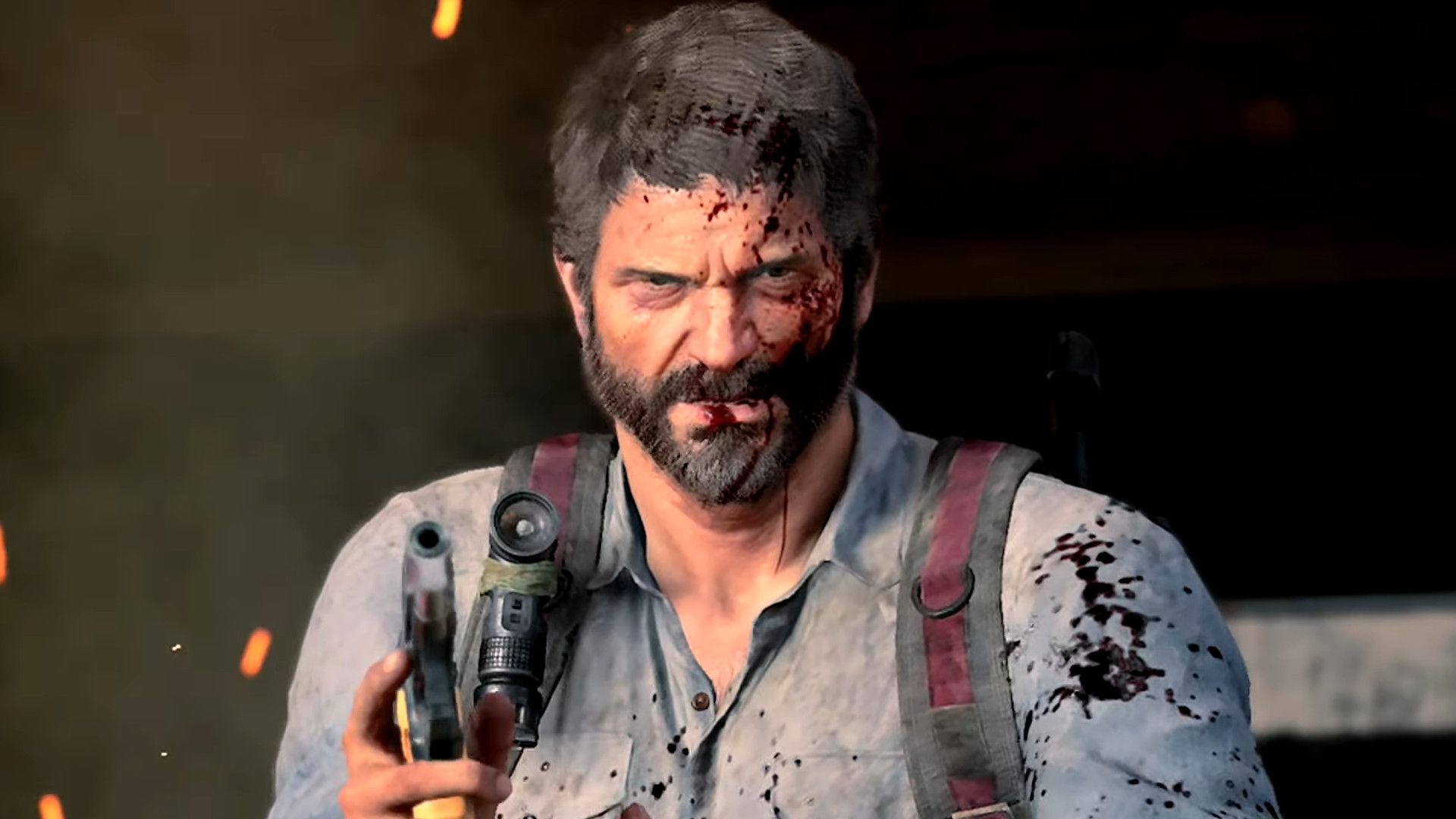
- Game: The Last of Us Part I
- Developer: Naughty Dog
- Original Release Date: 2013
- Remake Release Date: 2022-09-02
- Platforms: PlayStation 5, PC
Former Naughty Dog senior game designer Benson Russell has publicly expressed frustration regarding the development of The Last of Us Part I, citing the total replacement of his original combat designs as a significant point of contention. As Naughty Dog continues to position the 2022 remake as the definitive way to experience the narrative, the industry is seeing renewed debate regarding the treatment of original assets and the efforts of legacy developers in modern remakes.
The Last of Us Part 1 original developer controversy 2026
The conversation surrounding the remake has resurfaced in 2026, highlighting the tension between modernization and the preservation of original creative intent. Benson Russell, who spent eight years at Naughty Dog before departing in 2015, recently discussed his experience viewing the 2022 project during an interview with Kiwi Talkz. Russell, who served as a combat designer for the original 2013 release, noted that seeing his contributions removed from the game remains a personal sore spot.
The core of the issue lies in the technical overhaul of the game's encounter design. When Naughty Dog developed The Last of Us Part I, the team utilized engine technology from the sequel, The Last of Us Part II, to rebuild the combat encounters from the ground up. For Russell, this process felt like an erasure of the labor he invested in the original title. He described the experience of seeing his specific scripts, spawner placements, and combat logic discarded in favor of updated systems as a frustrating development choice.
Benson Russell The Last of Us Part 1 remake interview details
During his interview, Russell detailed exactly why he found the studio's approach to the remake so jarring. He explained that his work on the original game involved a high volume of manual labor, including the careful placement of combat spawners and the writing of specific scripts to dictate how enemy encounters functioned. According to Russell, when the remake was released, it became clear that the studio had opted to delete those original files entirely rather than porting or iterating upon them.
Russell expressed that the decision to market the remake as the "definitive version" of the game further exacerbates his feelings on the matter. While he acknowledges that remakes naturally involve the replacement of older assets, he argues that the studio's branding of the project as the ultimate version of the experience minimizes the efforts of those who built the foundation of the series. He explicitly stated that the process felt like a disregard for the "blood, sweat, and tears" that the original development team poured into the 2013 project.
Comparison of Available Versions
For players currently looking to engage with the franchise, multiple versions of the title exist, each with different technical specifications and development histories:
| Version | Release Year | Primary Platform |
|---|---|---|
| The Last of Us (Original) | 2013 | PlayStation 3 |
| The Last of Us Remastered | 2014 | PlayStation 4 |
| The Last of Us Part I (Remake) | 2022 | PlayStation 5, PC |
Impact on the Gaming Community and Preservation
The comments from Russell highlight a broader discussion about game preservation and the status of legacy software. While the 2014 Remastered version of the game remains available via the PlayStation Store and is included in the PlayStation Plus Premium library, the 2022 remake has become the primary version for new players, particularly on PC. For those wishing to experience the game as it was originally designed, the remake serves as a barrier, as it represents a complete technical replacement rather than a simple visual update.
At In Game News, we have tracked how studios handle legacy titles, and this instance serves as a notable example of the friction that can occur when a studio updates its own IP. The industry continues to grapple with how to balance the desire for modern technical standards—such as the advanced AI and physics found in the remake—with the historical integrity of the original design. For more on how major studios manage their back catalogs, see our game preservation coverage.
The situation remains a point of interest for those following the internal culture at Naughty Dog and the broader implications for how developers view the "definitive" status of remakes. As the industry moves further into the current generation, the question of whether a remake should replace or coexist with the original continues to be a subject of debate among both creators and players. Readers interested in more industry analysis can check out our industry news archives.
Frequently Asked Questions
The following questions address the most common inquiries regarding the development of the remake and the concerns raised by former staff members.
Why is Benson Russell upset about The Last of Us Part 1 remake?
Benson Russell is upset because the remake replaced the original combat encounters, scripts, and systems he personally designed and implemented for the 2013 title.
What did Benson Russell say about Naughty Dog script changes?
Russell stated that Naughty Dog took his original scripts and combat spawner placements, deleted them, and replaced them with entirely new systems, which he views as a disregard for his original work.
Did Naughty Dog replace original scripts in The Last of Us Part 1?
Yes, according to former senior game designer Benson Russell, the remake involved replacing the original combat scripts and encounter designs with updated technology.
Destiny 2: The Final Shape Updates and Bungie News for April 2026PC Gaming
Linux Mint 23 Release Date and Development Roadmap Update 2026Clair Obscur: Expedition 33
Charlie Cox Finally Plays Clair Obscur: Expedition 33 in 2026Action
Fairgames Release Date and Development Status: Latest 2026 Updates