
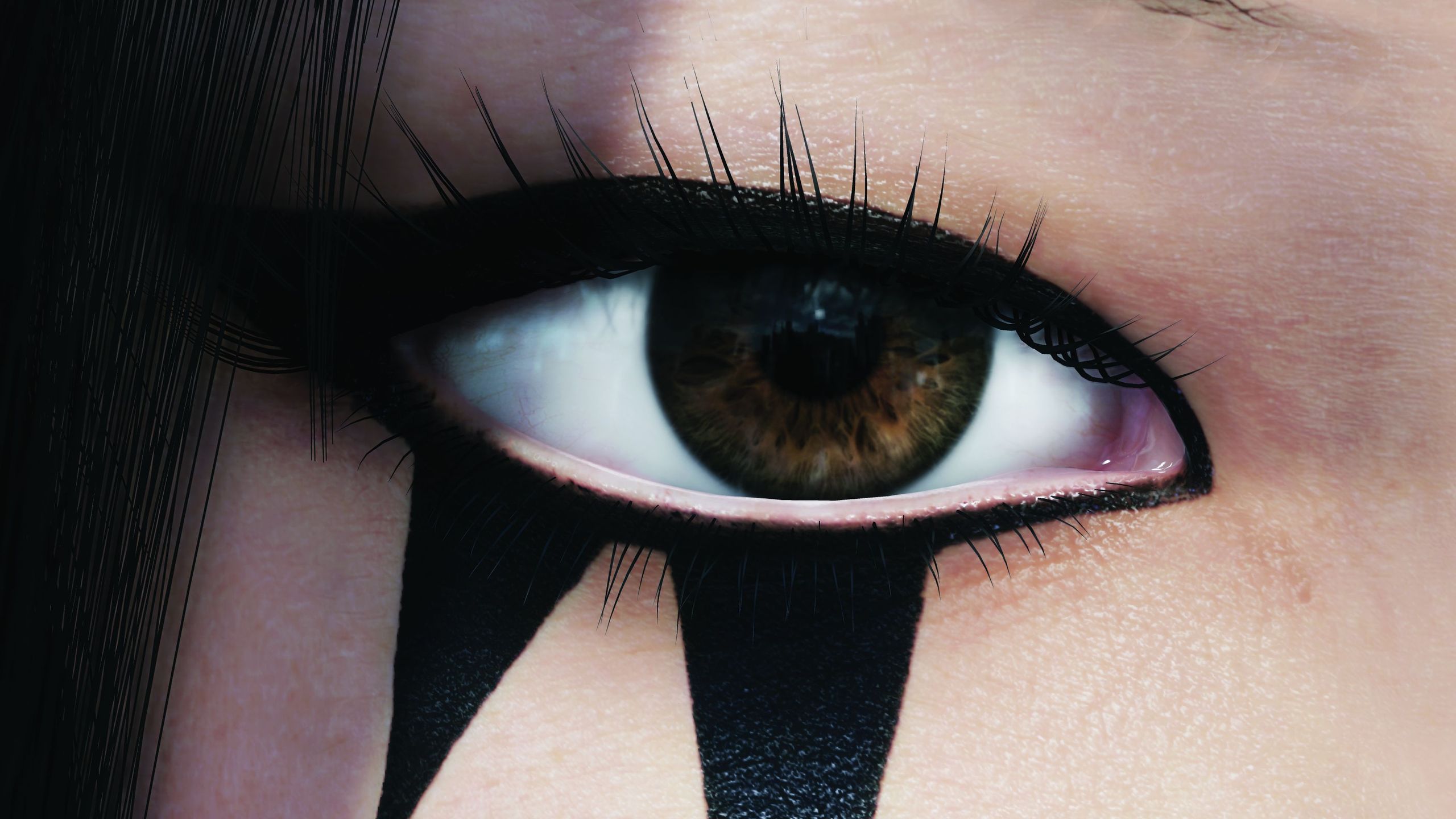
- Game: Mirror's Edge
- Developer: DICE
- Release Date: 2008-11-11
- Metacritic Score: 81
- Platforms: PC, Xbox 360, PlayStation 3
Mirror's Edge is an ambitious and original action game that, while occasionally tripping over its own design, remains a notable title for PC players utilizing modern hardware like an NVIDIA GeForce RTX 5090. In our 2026 assessment, we find that the game's core movement mechanics hold up well, providing a unique first-person experience that continues to influence the genre. Our verdict is that while the title shows its age in specific areas, its visual presentation and kinetic flow make it a worthwhile experience for those who appreciate design-forward gaming.
The Ambitious Design of Mirror's Edge
When Mirror's Edge was first released in 2008 by developer DICE and publisher Electronic Arts, it was lauded for its fresh take on first-person movement. The game places players in the role of Faith, a "Runner" who operates in a pristine, high-tech city where communication is strictly monitored by a government regime. The narrative follows Faith as she navigates a conspiracy involving her sister, a police officer framed for murder. Unlike many shooters of its era, the game focuses on the rhythm of traversal.
The early levels of the game serve as the strongest indicator of its intent. Players are tasked with moving from one point to another, hopping over fences, sliding under pipes, and rebounding off walls. This "free-running dream" is the primary hook. The game encourages players to maintain momentum, creating a sense of speed and exhilaration that is rarely replicated in modern titles. For more on how classic titles age, check out our retrospectives coverage.
Visuals and Performance in 2026
One of the most striking aspects of Mirror's Edge is its art style. The city is a masterpiece of modernist architecture, defined by primary colors and clean, sun-bleached surfaces. Even by 2026 standards, the aesthetic remains visually distinct. While many dystopian games rely on bleak, ruined environments, this city is intentionally designed to look appealing, which creates a sharp contrast with the narrative's themes of surveillance and control.
Playing on a modern PC equipped with an NVIDIA GeForce RTX 5090 allows for a smooth experience that highlights the game's original artistic vision. The cloth physics, which originally utilized PhysX, remain functional, ensuring that the movement of curtains and character clothing adds to the sense of realism. It is a testament to the game's original technical direction that it remains playable and visually coherent on current-generation hardware.
Comparing the Experience: Then and Now
When looking back at the original PC Gamer review from 2009, the game was noted for being "ambitious and original, but trips up." At the time, the combat and the "Runner's Vision"—the system that highlights the path forward—were points of contention. In 2026, these issues are clearer. The combat, which involves disarming police officers, can feel clunky compared to the fluid parkour mechanics. The Runner's Vision, while helpful for new players, can sometimes feel like it is holding the player's hand too tightly, preventing the organic discovery of routes.
The following table outlines the key aspects of the game that players should consider before purchasing:
| Feature | Experience |
|---|---|
| Movement | Exhilarating, fluid, and core to the experience. |
| Combat | Clunky and often interrupts the flow of movement. |
| Visuals | Striking, clean, and holds up well on modern hardware. |
| Navigation | Hand-holdy via Runner's Vision, but effective. |
For those interested in how this title fits into the broader history of action games, you can read more in our gaming history archives.
Is Mirror's Edge Worth Your Time?
The question of whether Mirror's Edge is worth playing in 2026 depends on what the player values. If the goal is to experience a game that prioritizes movement and aesthetic over traditional combat loops, it remains a high-quality choice. The game is not without its frustrations; the combat sequences are often viewed as the weakest part of the experience, and the level design can be restrictive. However, the feeling of successfully executing a long, unbroken run through the city rooftops is still a rewarding experience that few games have managed to capture since.
Frequently Asked Questions
Is Mirror's Edge worth playing in 2026?
Mirror's Edge remains worth playing for its unique first-person parkour mechanics and distinct visual style, though players should expect some frustration with combat and linear level design.
What are the pros and cons of Mirror's Edge?
The pros include its exhilarating movement system and striking aesthetic, while the cons are its clunky combat mechanics and overly restrictive, hand-holding navigation system.
Is Mirror's Edge still fun to play in 2026?
Yes, the core movement experience remains satisfying, especially when utilizing modern hardware like the NVIDIA GeForce RTX 5090 to maintain fluid performance.
- Exhilarating, fluid parkour movement
- Stunning, timeless modernist art style
- Clunky and intrusive combat encounters
- Overly restrictive pathfinding