
- Subject: Game Development Methodology
- Expert: Mark Darrah
- Primary Concept: The role of the layman in design
- Professional Background: Former Executive Producer at BioWare
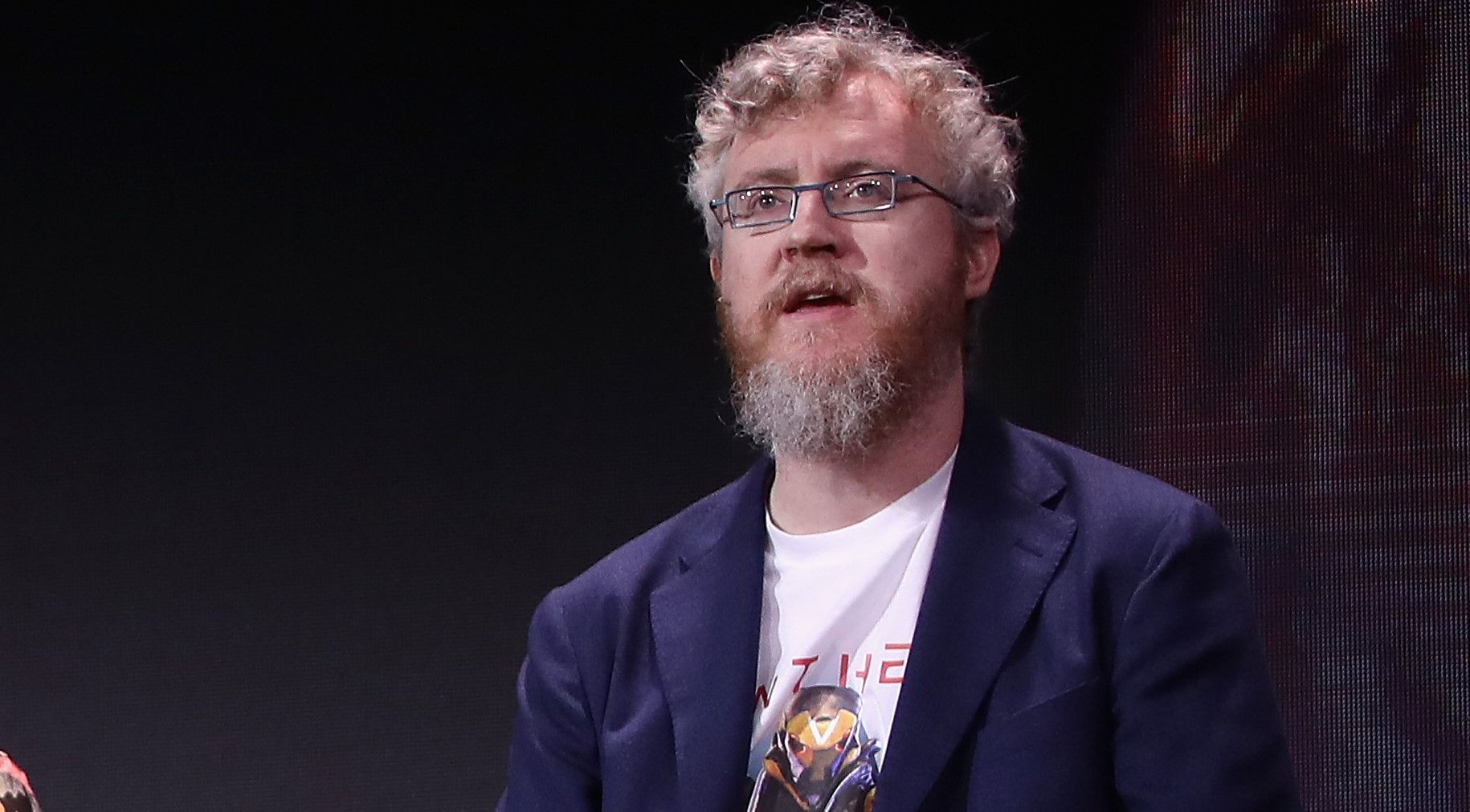
Former BioWare producer Mark Darrah recently shared insights on the importance of including non-experts in technical design discussions, a philosophy that continues to influence modern game development in 2026. In his latest video, titled "Have an Idiot at the Table," Darrah argues that having a team member with only a layman's understanding of a specific discipline can help ground the creative impulses of specialists. This approach, which Darrah utilized throughout his career on titles such as the Dragon Age series and Anthem, serves as a check against the tendency for development teams to become overly inward-looking.
Understanding the Mark Darrah Game Development Philosophy 2026
In the world of professional game development, projects are the result of combined expertise across dozens of distinct disciplines. As we have documented in our game development news, the complexity of modern software requires deep specialization. However, Darrah notes that when experts in fields like programming, art direction, or narrative design operate in isolation, they risk losing sight of the player's perspective.
According to the latest insights from former BioWare producer Mark Darrah, these expert-only conversations often "start to eat their own tail." When developers focus exclusively on the technical nuances of their craft, they may inadvertently create systems that are too complex or narrative elements that are too obscure for the average player to grasp. Darrah suggests that the presence of a "professional non-expert" acts as a barometer for accessibility, ensuring that the core message of a game remains clear to the end user.
Why Does Mark Darrah Suggest Having a Layman in Game Design?
The core of this methodology lies in the ability to identify when a game's design has become "too sicko mode," a term Darrah uses to describe when systems or artistic choices become so specialized that they lose their communicative power. By having someone in the room who is not deeply entrenched in the specific technical weeds, the team receives immediate feedback on whether their design choices are landing as intended.
The benefits of this approach include:
- Accessibility Checks: Ensuring that subtle design cues are actually perceivable by someone without specialized training.
- Focus Maintenance: Helping writers and worldbuilders avoid getting lost in excessive lore or fabricated timelines that may not serve the player experience.
- System Balancing: Preventing designers from creating overly arcane mechanics that prioritize complexity over gameplay engagement.
- Communication Clarity: Confirming that artistic choices, such as the use of white space or visual composition, translate effectively to a general audience.
Mark Darrah Have an Idiot at the Table Video Summary
In the video, Darrah reflects on his own career, specifically his time as an executive producer at BioWare. He identifies himself as having spent more than half of his professional life as a "professional non-expert" in meetings regarding art, audio, and high-level design. By positioning himself as a layman in these specific areas, he was able to challenge the experts to justify their choices in ways that were accessible to the broader team and, eventually, the players.
However, Darrah emphasizes that this role comes with a specific responsibility. For the layman's feedback to be valuable, they must possess the discipline to know when to step back. Interjecting with non-expert opinions during every stage of development can be counterproductive. The effectiveness of this strategy relies on the non-expert understanding when their feedback is actually useful and when they should allow the specialists to continue their work without interruption.
The Balance of Expertise and Accessibility
As we continue our industry trends coverage, it is clear that the challenge of balancing technical depth with player accessibility remains a primary concern for studios. Darrah’s perspective highlights that while experts are necessary to build the foundation of a game, they are not always the best judges of how that foundation is perceived by the public. By intentionally introducing a layman into the discussion, studios can bridge the gap between technical ambition and player comprehension.
This approach does not mean discarding the nuances that make a game unique. Rather, it is about ensuring that those nuances are presented in a way that the audience can appreciate. If a game attempts to convey its entire narrative or mechanical point through subtle details that only an expert would notice, the message will likely be lost. The layman’s role is to act as a bridge, ensuring that the "subtle things" do not become the only things.
Frequently Asked Questions
Why does Mark Darrah suggest having a layman in game design?
Mark Darrah suggests including a layman to provide a neutral perspective that prevents expert teams from becoming too insular or overly fixated on complex, subtle details.
What did Mark Darrah say about BioWare development in his recent video?
Mark Darrah explained that during his time at BioWare, he often acted as a professional non-expert to help ground the ambitious and technical impulses of specialized team members.
What is the key skill required for a non-expert in game development meetings?
The primary skill required for a non-expert is knowing when to remain silent and allow the specialists to continue their work without unnecessary interruption.
Charlie Cox Says Video Game Acting Was Not As Easy As He Expected in ...Action
Arc Raiders Expeditions Update: Embark Studios Changes Progression in...Gaming News
Clair Obscur: Expedition 33 Dominates BAFTA Games Awards 2026 ResultsAdventure
Click Escape Mystery Aurora Hills: Chapter 2 Launches on Mobile in 2026