
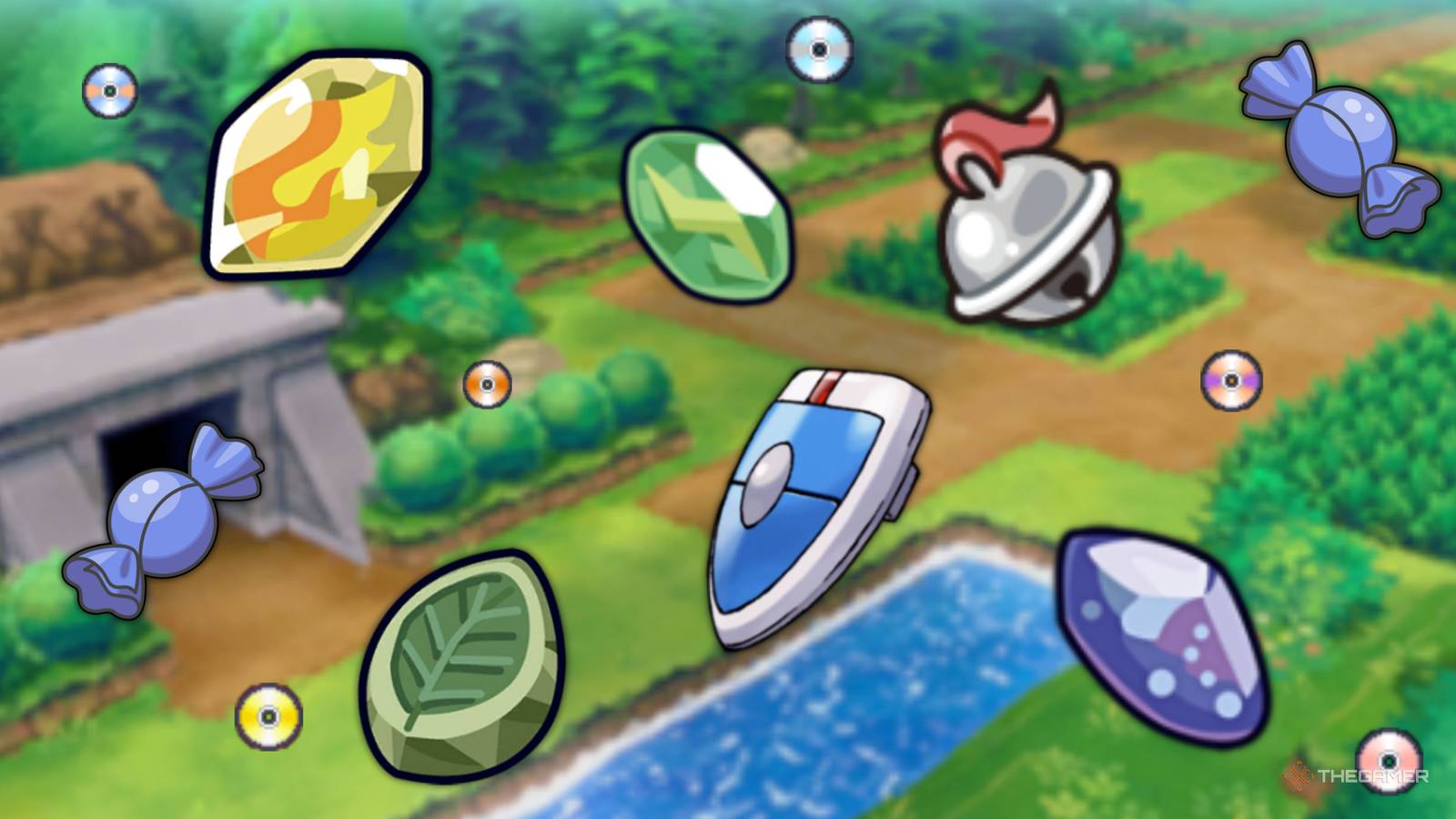
In the expansive world of Pokemon FireRed and LeafGreen, trainers embarking on their journey through the Kanto region in 2026 will find that not all valuable resources are acquired through purchase. As detailed by Gabrielle Castania in her March 5, 2026, publication, a significant number of essential and rare items can be discovered for free through exploration. This guide, compiled by In Game News, focuses on the strategic acquisition of these hidden treasures, offering players a distinct advantage as they progress through the game's narrative and challenge the Indigo League.
Kanto, the inaugural region in the Pokemon universe, first introduced the concept of finding free items scattered across its diverse landscapes in its original generation. The remakes, Pokemon FireRed and LeafGreen, brought this mechanic to a new generation of players on multiple platforms, emphasizing the importance of keen observation and a willingness to stray from the most direct routes. While Poke Marts in various cities offer a consistent supply of Potions, Poke Balls, and other necessities, the most impactful finds are often those that require a bit of adventuring.
Discovering Hidden Treasures in Kanto
The world of Pokemon FireRed and LeafGreen is replete with opportunities for trainers to gather resources without spending their hard-earned Pokedollars. Players are encouraged to keep an eye out for visual cues on the ground, such as a noticeable Poke Ball icon, or peculiar tile formations that might indicate a hidden item. These discoveries are not limited to common consumables; rarer and more potent items can also be found scattered throughout the region. This practice of item collection is a fundamental aspect of a trainer's progression, complementing the leveling of Pokemon and the advancement of the main storyline.
The inventory system in these titles is quite forgiving, with no strict storage capacity for the player's bag. This allows trainers to accumulate a substantial amount of items, many of which can be resold at Poke Marts for a profit. This resale value can be a significant boon for early-game cash flow, enabling players to purchase necessary supplies or TMs more readily. While many of these freebies are Berries, a mechanic that evolved from the original generation's debut to the Gen 3 remakes, it is always beneficial to collect whatever is available. Items designated as Key Items, however, cannot be sold and must be retained for their mission-critical functions throughout the game.
Interacting with Non-Player Characters (NPCs) is another vital component of uncovering free items and other benefits. Upon entering a new town or area, engaging in conversation with the local inhabitants can reveal opportunities to receive rare items, Pokemon, or even unique rewards for achieving specific in-game milestones. These interactions often form the backbone of side quests or provide lore that enriches the player's experience in Kanto. Our coverage at In Game News has consistently highlighted the value of thorough NPC engagement for maximizing in-game resources.
Strategic Item Acquisition and Utilization
The items found scattered throughout Kanto serve a variety of purposes, from restoring HP and status conditions to aiding in Pokemon capture and evolution. For instance, discovering a hidden Full Restore in a secluded area can be far more impactful than purchasing one when facing a particularly challenging Gym Leader or Elite Four member. Similarly, finding an abundance of Ultra Balls in a late-game area can significantly ease the process of catching powerful wild Pokemon needed to complete the Pokedex.
Beyond consumables, players might also stumble upon valuable TMs (Technical Machines) that teach their Pokemon powerful moves. These can dramatically alter a Pokemon's effectiveness in battle and are often strategically placed in areas that correspond to the type of challenges trainers will face. For example, a TM for a powerful Electric-type move might be found in an area with many Water-type Pokemon, offering a clear advantage to those who find it.
The importance of these free items cannot be overstated, especially for players looking to optimize their playthroughs or tackle the game's most difficult challenges. While the game is designed to be completable with purchased items, the discovered treasures offer a distinct advantage. For players experiencing issues such as 'Where To Find All not launching fix 2026' or 'Where To Find All crashing on startup fix,' ensuring all game files are correctly installed and updated is the first step, though these issues are typically unrelated to in-game item discovery.
Key Item Locations and Types
While specific locations of every single free item are best discovered through personal exploration, understanding the general areas where they tend to appear is beneficial. Routes between cities, caves, forests, and even seemingly empty patches of grass can hide valuable loot. For example, exploring the tall grass on routes can sometimes yield hidden items dropped by trainers or left behind by previous adventurers. Caves, with their often maze-like structures, frequently contain rare items guarded by wild Pokemon or hidden in alcoves.
Players should also pay close attention to the environment itself. Certain tiles might appear slightly different, hinting at a hidden passage or an item buried beneath. The game's design often rewards players who deviate from the primary path, encouraging exploration of every nook and cranny. This is a core design philosophy that has made the Pokemon series so enduringly popular across generations.
It's also worth noting that some NPCs offer items not directly found on the ground. These can include valuable Pokemon, rare evolutionary stones, or even items that facilitate movement, such as the Bicycle. These exchanges are often tied to specific story progression points or require the player to present a particular Pokemon or item. A thorough review of NPC dialogue in every town and route is a wise strategy for any trainer aiming to collect everything.
The Value of Exploration: An Honest Review 2026
From an honest review perspective in 2026, the free item system in Pokemon FireRed and LeafGreen remains a cornerstone of the gameplay experience. It encourages players to engage with the world on a deeper level, fostering a sense of discovery and rewarding curiosity. This mechanic is not merely about acquiring free goods; it's about understanding the world of Kanto and its hidden secrets. For those wondering 'is Where To Find All worth it 2026,' the answer is a resounding yes, particularly when considering the strategic advantage and the sheer satisfaction of finding a rare item through diligent exploration.
The longevity of these titles on modern platforms, including PC via emulators and legacy systems, ensures that new players continue to discover these hidden gems. The act of exploration and item finding is intrinsically linked to the core loop of Pokemon games: adventure, discovery, and growth. The absence of any significant technical issues, such as the 'Where To Find All not launching fix 2026' or 'Where To Find All crashing on startup fix' scenarios, further solidifies the accessibility and enjoyment of these classic titles and their mechanics.
In conclusion, the free items scattered throughout Pokemon FireRed and LeafGreen are more than just simple pickups; they are integral parts of the game's design that reward player engagement and exploration. Whether it's a vital healing item, a powerful TM, or a rare evolutionary stone, these discoveries significantly enhance the journey through Kanto. Trainers are advised to always be on the lookout, interact with every NPC, and explore every path, as the most valuable treasures are often found where you least expect them.
Frequently Asked Questions
Q: Are there specific NPCs named Ms. and Oak's Aides in Pokemon FireRed and LeafGreen?
A: No, the game does not feature specific NPCs with those exact titles. Instead, players find items hidden in the environment and receive aid from various other characters.
Q: How do I ensure I don't miss any free items in Kanto?
A: Explore thoroughly, interact with all NPCs, and pay attention to visual cues on the ground that might indicate a hidden item or passage.
Q: Can I get stuck in Pokemon FireRed and LeafGreen if I don't find enough free items?
A: While finding free items provides an advantage, the game is designed to be completable through normal progression and purchasing items from Poke Marts.