
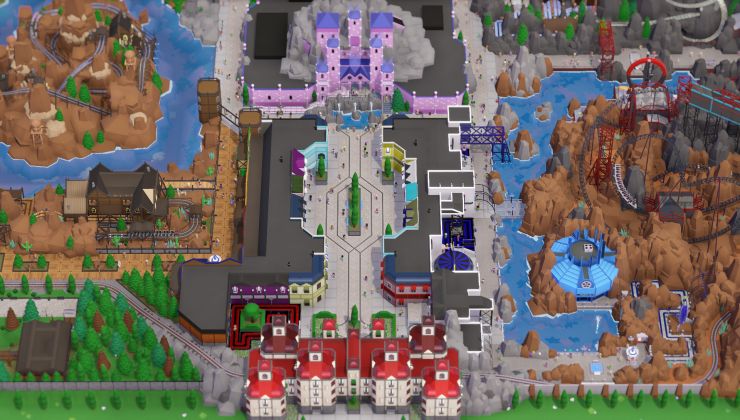
The acclaimed theme park construction and management simulator, Parkitect, is set to host its inaugural Steam Free Weekend in 2026, offering PC players an opportunity to experience its intricate gameplay and creative building tools without an upfront purchase. This event marks a significant milestone for the independent title, allowing a broader audience to discover its detailed simulation mechanics and unique aesthetic.
The Significance of Parkitect's First Steam Free Weekend
For many years, Parkitect has carved out a niche within the simulation genre, known for its focus on logistical challenges, guest flow, and behind-the-scenes park operations. The decision to offer a Steam Free Weekend for the first time in 2026 represents a strategic move by developer Themeparkitect to introduce the game to new players who may not have engaged with it previously. Such events are often accompanied by promotional discounts, providing a direct pathway for trial players to convert into full owners.
Our coverage at In Game News has consistently highlighted the importance of accessibility for simulation games, where initial investment can sometimes deter newcomers. A free weekend removes this barrier, inviting players to immerse themselves in the complexities of park design, financial management, and visitor satisfaction. It allows potential enthusiasts to test the waters, build their first roller coasters, and manage their initial staff without commitment, fostering a deeper understanding of what makes Parkitect a distinct entry in its genre.
A Look at Parkitect's Core Gameplay
Parkitect distinguishes itself through a design philosophy that balances creative freedom with realistic operational demands. Players are tasked with constructing a profitable and appealing theme park, which involves more than just placing rides. The game emphasizes the logistical aspects of park management, such as supply routes for shops, waste disposal, and staff pathways that are hidden from guests to maintain immersion. This 'backstage' system adds a layer of depth that challenges players to think strategically about every element of their park's layout.
Guests in Parkitect are not merely statistics; they possess individual needs, preferences, and pathfinding behaviors. Understanding these nuances is key to designing an efficient and enjoyable park. Factors like ride excitement, queue times, food availability, and even the cleanliness of restrooms directly impact guest happiness and, consequently, park profitability. The game's isometric perspective and stylized graphics contribute to a clear visual representation of these systems in action.
Management and Design Challenges
The management aspect extends to staffing, where players must hire and manage janitors, mechanics, entertainers, and vendors. Each staff member requires specific facilities, such as break rooms and supply depots, which must be strategically placed to maximize efficiency without detracting from the guest experience. Financial management is another core pillar, requiring players to balance ticket prices, ride costs, and operational expenses against revenue generated from attractions and concessions.
On the design front, Parkitect provides extensive tools for creating custom roller coasters, placing a wide variety of flat rides, and decorating parks with an array of scenery items. Terraforming tools allow players to sculpt the landscape, creating unique environments for their attractions. The game's modular building system supports detailed customization, empowering players to construct elaborate themed areas and efficient park layouts. The community has also contributed significantly through user-generated content, expanding the available assets and scenarios.
The Evolution of Theme Park Simulation
The theme park simulation genre has seen various iterations over the decades, evolving from early pioneers to modern, highly detailed simulators. Parkitect stands as a testament to this evolution, offering a blend of nostalgic charm and contemporary complexity. Its design choices reflect a careful consideration of what makes these games engaging, often drawing comparisons to classic titles while introducing its own innovations.
Parkitect's Place in the Genre
Parkitect's approach to theme park simulation differentiates it from some contemporaries. While other games might prioritize hyper-realistic graphics or expansive open-world building, Parkitect focuses on the intricate dance of logistics and guest psychology within a more stylized environment. This emphasis on functional design and efficient operations resonates with players who appreciate a deeper management challenge. Below is a brief comparison of how Parkitect typically positions itself against other genre titles:
| Feature | Parkitect | Typical Modern Simulator (e.g., Planet Coaster) | Typical Classic Simulator (e.g., RollerCoaster Tycoon) |
|---|---|---|---|
| **Art Style** | Stylized, Isometric | Realistic, 3D | Pixelated, Isometric |
| **Logistics Focus** | High (backstage areas, supply chains) | Medium (guest paths, staff management) | Medium (staff, basic supplies) |
| **Coaster Builder** | Detailed, physics-driven | Highly flexible, piece-by-piece | Segmented, pre-defined pieces |
| **Guest AI** | Complex needs, pathfinding | Individualized, emotional responses | Basic needs, simple pathing |
| **Modding Support** | Strong, active community | Moderate, official tools | Limited, fan-made tools |
This distinct identity has fostered a dedicated community around Parkitect, with players sharing their park creations, custom blueprints, and gameplay strategies. The upcoming Steam Free Weekend is expected to introduce new players to this community, potentially expanding the pool of content creators and active participants.
Maximizing Your Experience During the Free Period
For players looking to make the most of Parkitect's first Steam Free Weekend, several strategies can enhance the trial experience. First, understanding the game's tutorial or introductory scenarios can provide a solid foundation in its core mechanics before attempting more ambitious projects. The game offers a campaign mode with various objectives, which serves as an excellent guided tour through its systems.
Secondly, experimenting with the custom coaster builder is often a highlight for new players. The intuitive tools allow for the creation of unique ride experiences, and understanding the physics involved can lead to highly thrilling or family-friendly attractions. Finally, exploring the sandbox mode, if available during the free period, offers unrestricted access to all building elements, providing a canvas for pure creative expression without financial constraints.
Tips for New Parkitect Mayors
- **Start Small:** Begin with a few basic rides and facilities to understand guest flow and needs.
- **Prioritize Logistics:** Design efficient backstage areas for staff and supplies early on.
- **Observe Guests:** Pay attention to guest feedback and happiness indicators to identify areas for improvement.
- **Experiment with Coasters:** Utilize the coaster builder to understand how different track elements affect excitement and nausea ratings.
- **Engage with the Community:** Look for online guides or forums for tips and inspiration from experienced players.
The free weekend serves as an ideal opportunity not just to play, but to learn the intricacies of what makes a successful theme park in the world of Parkitect. Players can test different strategies for layout, pricing, and staff management to see what yields the best results.
Looking Beyond the Free Weekend
Following the conclusion of the Steam Free Weekend, Themeparkitect often sees a surge in sales and community engagement. This period is crucial for the game's continued growth, as new players bring fresh perspectives and potentially contribute to the game's ongoing development through feedback and bug reports. Historically, free weekends have proven to be effective marketing tools for indie titles, generating renewed interest and expanding player bases.
The long-term impact of this event could include increased activity on community platforms, more user-generated content, and potentially influence future updates or content additions from the developer. In Game News will continue to monitor Parkitect's performance and any subsequent announcements from Themeparkitect regarding sales figures or player statistics post-event. Players interested in the broader theme park genre can also explore our Simulation Games section for more related coverage.
Community and Future Prospects
Parkitect has maintained a dedicated player base since its initial release, often praised for its responsiveness to community feedback and consistent QoL updates. The free weekend is likely to invigorate this community, drawing in new members who can contribute to discussions, share their creations, and participate in the game's ecosystem. The game's modding scene, in particular, thrives on new blood, with fresh ideas often leading to innovative custom content.
While specific future content plans for Parkitect beyond 2026 have not been detailed, the success of a free weekend often provides developers with valuable data and resources to consider new expansions, features, or even sequels. The event underscores the enduring appeal of well-crafted simulation games and Themeparkitect's commitment to its player base.