
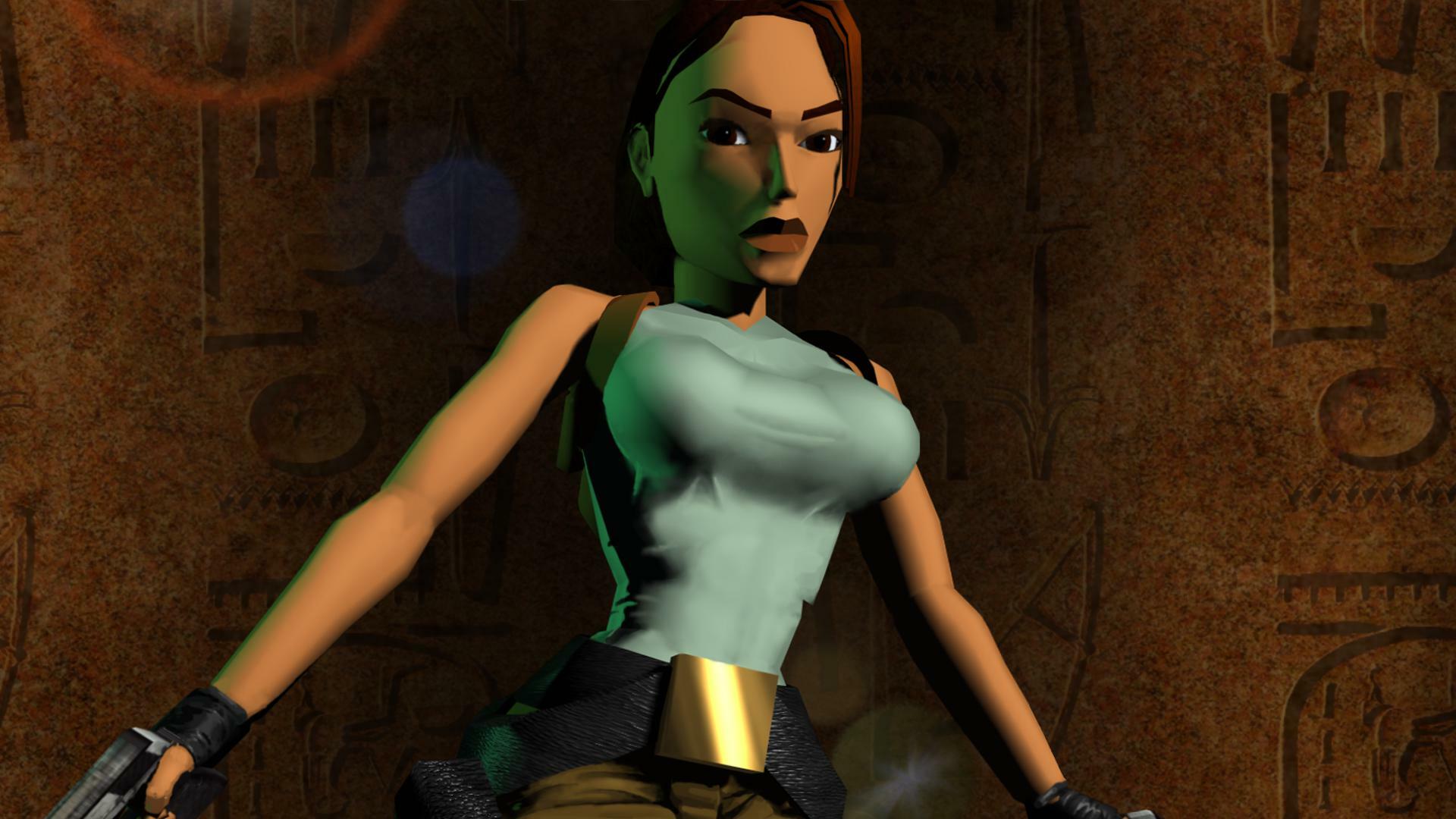
We just got a fascinating peek behind the curtain of early 3D development: the revelation that Lara Croft, gaming's iconic adventurer, nearly sported an anime makeover for the original Tomb Raider. This wasn't just a simple art style tweak; it was a fundamental clash of design philosophies between Core Design and their Japanese publisher, Victor Interactive, one that ultimately shaped gaming history.
According to Paul Douglas, a true veteran who "co-created Tomb Raider half a lifetime ago," Victor Interactive pushed hard for Lara to get an anime-style redesign. The aim was to broaden her appeal, specifically to a Japanese audience. Our sources indicate the publisher's suggestions, even late in development, included a radical departure from Lara's established aesthetic, featuring "huge eyes/head etc." They even went so far as to fax over design suggestions, a logistical challenge in itself back in the day.
Frankly, the idea of an anime Lara back then feels almost sacrilegious to the identity Core Design forged. As veterans who remember the pixelated polygons and agonizingly long render times of the mid-90s, we understand the incredible resistance Toby Gard, Lara's original designer, put up. Douglas confirms Gard "didn't really want to alter Lara," a clutch decision that preserved the character's unique, Western-centric identity.
This wasn't a modern engine swap or a quick re-skin; it was a monumental undertaking for "early days of 3D." Douglas notes that Victor Interactive likely "just assumed altering all the models would only take a few days of work." We've seen this kind of miscalculation countless times in development cycles; the scope creep from "all in-game and cutscene models" down to "just Lara's head" illustrates the sheer technical nightmare such a request represented. It's a stark reminder of the constraints developers operated under.
Ultimately, a compromise was reached to keep all parties happy: the original Tomb Raider's manual and guide featured more "manga-style" characters. While Douglas isn't sure who handled these illustrations, we've seen images shared previously from 2021, showcasing what Lara might have looked like if Gard hadn't held the line. It's an interesting "what if" scenario that could have drastically altered the franchise's trajectory.
The Enduring Legacy of Creative Vision
Toby Gard’s steadfast vision was, in hindsight, a pivotal moment that saved Lara’s original identity and secured her global appeal. Had Core Design caved to the publisher's demands, we believe the brand's initial impact and its subsequent crossover into mainstream culture would have been severely diluted, possibly relegating Tomb Raider to a more niche status from the outset.
This historical anecdote serves as a potent reminder of the importance of artistic integrity in game development. Sometimes, the most controversial decisions in a dev cycle turn out to be the ones that define a generation.
Tomb Raider's Future: Building on a Foundation
Fast forward to today, and the Tomb Raider universe is undergoing a renaissance, proving the enduring power of Core Design's original vision:
- Legacy of Atlantis: A ground-up remake of the original Tomb Raider is slated for release later this year across PlayStation 5, Xbox Series X/S, and Steam. We anticipate this will be a definitive modernization, not a re-imagining.
- Tomb Raider: Catalyst: Crystal Dynamics, in collaboration with Amazon, is actively developing the next mainline entry. This new adventure takes Lara to Northern India, and we're hyped to hear that Eva La Dare (known for her iconic role as Sheva Alomar in Resident Evil 5) has joined the cast. Her involvement signals a commitment to strong voice talent, a crucial component for any AAA title.
The journey of Lara Croft, from her controversial origins to her current multi-platform resurgence, is a testament to the power of a strong core design. The fact that we're still talking about what Lara *almost* became speaks volumes about how foundational her original look and feel were to her enduring legacy.
Common Questions
- Was Lara Croft almost an anime character?
- Yes. Japanese publisher Victor Interactive pressured Core Design to give Lara 'huge eyes' and an anime-style head to appeal more to the Japanese market during the original game's development.
- Who prevented the Tomb Raider anime redesign?
- Toby Gard, Lara Croft’s original designer, resisted the changes. Despite the publisher's pressure and faxed design suggestions, Gard fought to keep her original Western aesthetic.
- Why did the publisher want to change Lara's look?
- Victor Interactive believed a more traditional anime appearance would broaden her appeal in Japan, which was a critical market for early 3D console games.