
Last Updated: October 17, 2025
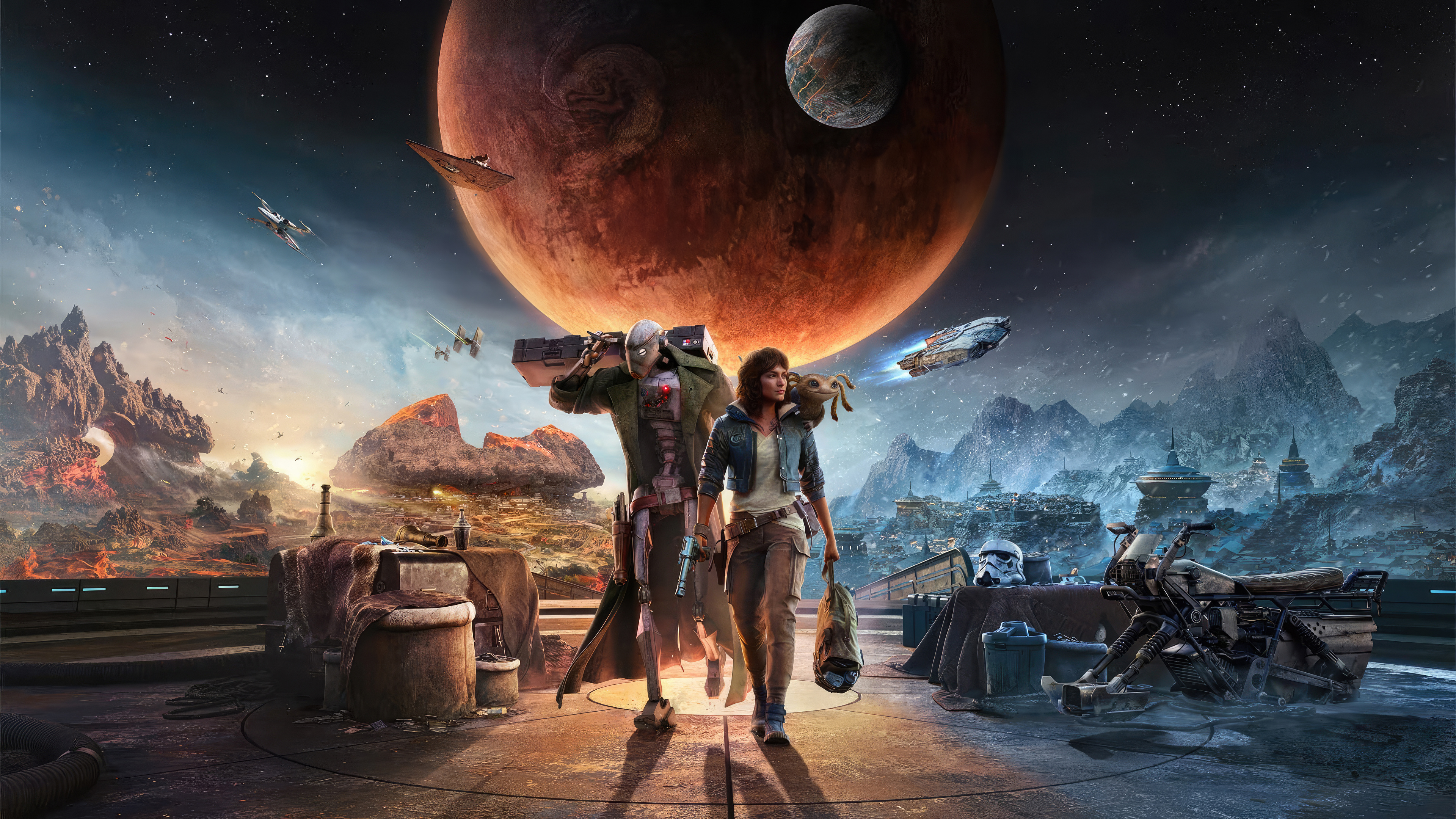
Ubisoft's highly anticipated open-world adventure, *Star Wars Outlaws*, officially launched on August 30, 2024, for PlayStation 5, Xbox Series X/S, and PC, with a Steam release following on November 21, 2024. However, prior to its release, industry discussions and speculative reports often centered on a potential version for Nintendo's unannounced next-generation console, colloquially dubbed the "Switch 2." One intriguing rumor that sparked considerable debate concerned Ubisoft's supposed plan to utilize this future console's "game key cards" for *Star Wars Outlaws*.
While the exact nature of the next Nintendo hardware and its distribution methods remain under wraps, the concept of these "game key cards" – envisioned as mere download triggers rather than traditional game cartridges – drew both criticism and a compelling theoretical justification from industry insiders. This article revisits those earlier discussions, exploring the technical and strategic implications of such a distribution choice within the context of the gaming industry's evolving landscape, and how it highlights ongoing trends in game delivery.
The Anticipated Nintendo Switch Successor and Its Rumored Game Key Cards
The "Nintendo Switch 2," or more accurately, Nintendo's next console, is still an unannounced entity. However, speculation has long suggested that it might introduce a novel approach to physical game distribution. Unlike traditional game cartridges that store data directly, these rumored key cards would function as triggers, initiating a digital download of the game from Nintendo's eShop. This design choice, if implemented, is expected to be met with mixed reactions, raising questions about convenience, cost-effectiveness, environmental impact, and consumer ownership.
Ubisoft's Potential Rationale: Revisiting Past Speculation
During the period of heightened speculation surrounding *Star Wars Outlaws*' potential release on a future Nintendo console, reports circulated about Ubisoft's theoretical reasoning behind embracing a "key card" system. While specifics remain unconfirmed for any actual "Switch 2" version, these discussions, which at the time included comments attributed to individuals like Rob Bantin, an audio architect working on Ubisoft's Snowdrop game engine, suggested a strategic decision potentially driven by technical considerations and anti-piracy measures.
The use of such key cards, in theory, could offer several advantages. One potential benefit highlighted was the mitigation of piracy. By requiring the initial interaction with a physical card that then necessitates an eShop download, it could present a more significant barrier to unauthorized game access compared to easily duplicable traditional cartridges. Furthermore, a key card could potentially streamline the initial game installation process, ensuring that the game's assets are properly verified and downloaded in a secure manner, preventing issues arising from corrupted or incomplete physical media. It was envisioned as a way to guarantee players always accessed the latest, fully patched version of the game from the outset.
Technical and Strategic Implications of a Hybrid Model
Had this hybrid model been adopted for *Star Wars Outlaws* on a future Switch console, it would have presented a unique blend of physical and digital distribution. The initial physical card interaction could satisfy consumer preferences for a tangible product, while the subsequent digital download would allow for increasingly large game sizes without requiring ever-larger and more expensive physical cartridges. This approach also facilitates more flexible patching and content updates, ensuring players always have access to the most current version of the game.
However, the drawbacks are equally significant. Such a system could diminish the value proposition of a "physical" purchase if the card merely serves as a license key, potentially leading to confusion and frustration among consumers expecting a self-contained game. It also places a greater reliance on stable internet connections and sufficient console storage, which could be a barrier in certain markets or for players with limited data plans.
Market Trends and Historical Context in Game Distribution
The evolution of game distribution is a fascinating aspect of the gaming industry's history, marked by constant transformation. From physical cartridges and discs to digital downloads and streaming services, the methods of delivering games have continually adapted to technological advancements and changing consumer habits. The hypothetical "key card" approach for a future Nintendo console represents another potential step in this ongoing evolution, blending elements of physical and digital distribution. This hybrid model reflects the industry's continuous search for optimal methods of game delivery, balancing convenience, cost, security, and environmental concerns.
Balancing Convenience, Security, and Environmental Considerations
While the convenience of digital downloads is undeniable, the speculative key card approach for *Star Wars Outlaws* on a future Nintendo console offered a theoretical balance between digital convenience and the security often associated with physical media. The initial physical interaction could add a layer of security, while the subsequent digital download would allow for large game sizes and regular updates. The long-term success of any such model would ultimately depend on various factors, including consumer acceptance, technical performance, and the overall user experience.
The environmental impact of game distribution is also a growing concern. The manufacturing and disposal of physical media contribute to waste. Digital distribution, while reducing physical waste from discs or cartridges, relies heavily on energy consumption for server operation and data transfer. A key card approach could potentially offer a middle ground, reducing the amount of physical material used compared to traditional cartridges while still requiring a digital download, which could be optimized for energy efficiency.
Conclusion: *Star Wars Outlaws* and the Future of Nintendo Gaming
While *Star Wars Outlaws* has successfully launched on current-generation platforms, the earlier discussions and speculation surrounding its potential distribution on an anticipated "Nintendo Switch 2" using "game key cards" served as a compelling case study in the evolving landscape of game delivery. These theoretical considerations, whether attributed to figures like Rob Bantin or broader industry rumors, highlighted the ongoing strategic thinking about balancing technical needs, security measures, and market trends in the digital age.
The Nintendo Switch successor remains unannounced, and its specific distribution methods are still a matter of speculation. However, the anticipation surrounding its innovations, and how titles like *Star Wars Outlaws* might eventually integrate into its ecosystem, continues to underscore the industry's dynamic pursuit of the optimal user experience. The future success of any novel distribution model will ultimately be determined by its impact on players, its effectiveness in combating piracy, and its long-term environmental sustainability.