
Last Updated: October 22, 2025
The video game industry is a realm of stark contrasts. It is at once a multi-billion dollar corporate battleground, driven by acquisitions and complex global finance, and a deeply personal art form, capable of creating breathtaking worlds that captivate millions. This duality was recently thrown into sharp relief by two major narratives: the controversial acquisition of the Evolution Championship Series (Evo) by a Saudi Arabian entity, and the continued celebration of games that push the boundaries of visual and environmental storytelling.
A New Crown for the King of Fighters: Evo's Qiddiya Acquisition
In early September 2025, the fighting game community (FGC) was shaken by the news that RTS, the company operating the world's premier fighting game tournament, Evo, had been fully acquired by Qiddiya. A Saudi Arabian giga-project backed by the nation's Public Investment Fund (PIF), Qiddiya's takeover places the future of the FGC's most prestigious event under the stewardship of a state-funded enterprise.
This move is part of a much larger, multi-billion dollar investment strategy by Saudi Arabia into the video game and esports sectors, which has seen the PIF acquire significant stakes in industry giants like Nintendo, Activision Blizzard, and Electronic Arts. The stated goal is to diversify the nation's economy and establish it as a global gaming hub.
However, the acquisition was met with immediate and significant debate within the gaming community. A vocal portion of fans and players raised serious concerns about "sportswashing"—the practice of using high-profile sports and entertainment investments to distract from and improve a country's international reputation, particularly concerning its human rights record. Critics point to Saudi Arabia's laws and policies regarding women's rights, freedom of speech, and the criminalization of LGBTQ+ individuals as being fundamentally at odds with the inclusive and diverse ethos the FGC strives to cultivate.
The long-term ramifications of this deal remain a subject of intense speculation. Proponents hope the investment will lead to larger prize pools, higher production quality, and greater global reach for Evo. Yet, the community remains watchful, questioning how this new ownership will influence the tournament's direction, its open and often rebellious culture, and whether it can maintain its status as a safe and welcoming space for all competitors.
The Lasting Snapshot: How Visual Masterpieces Define Gaming's Soul
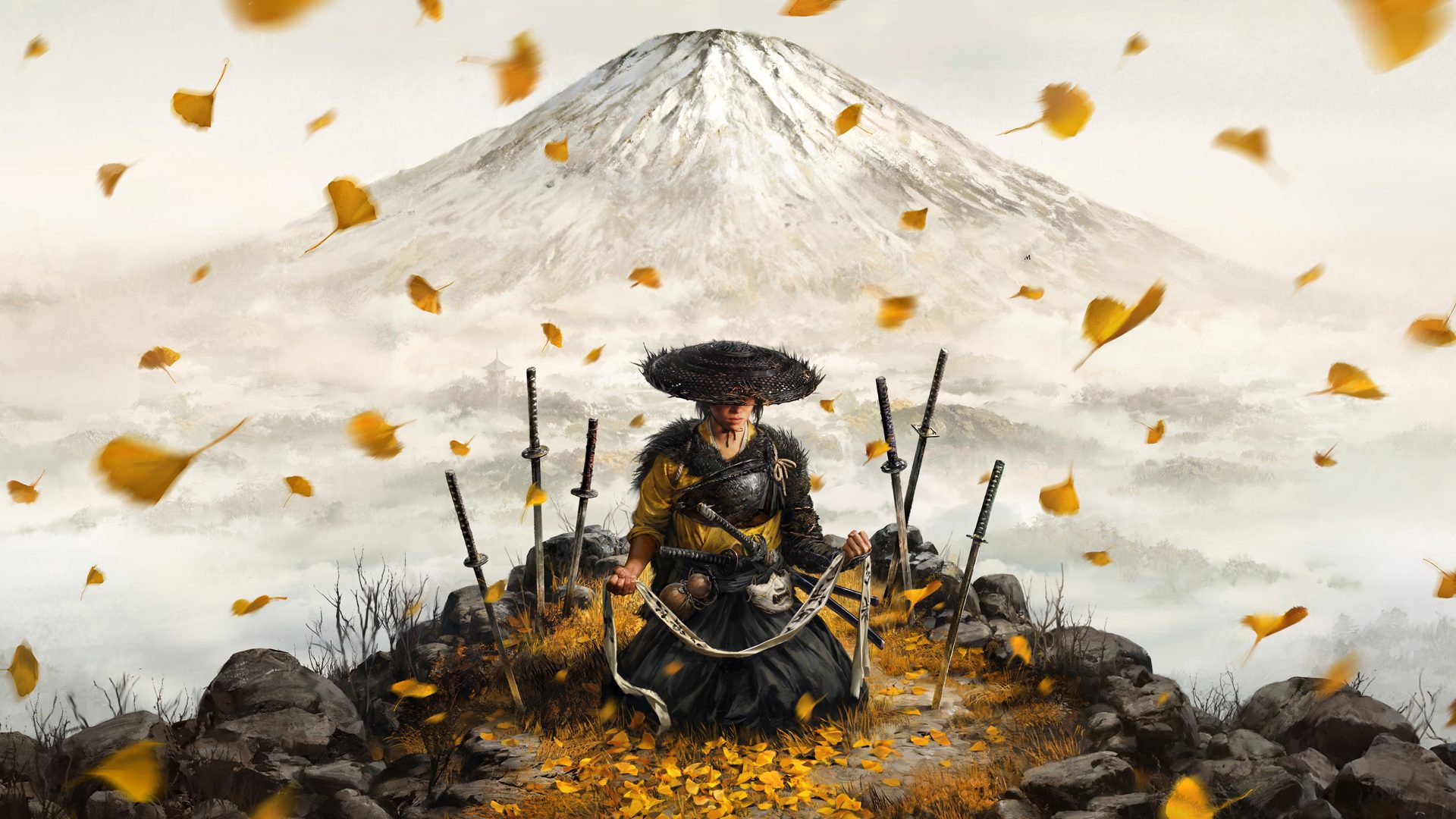
In stark contrast to the boardroom controversy surrounding Evo, the industry's creative heart continues to beat strongly. While corporate dealings can feel distant and alienating, the immersive power of a beautifully crafted game world forges a direct and lasting connection with players. This is the legacy of titles that prioritize artistry and atmosphere, a standard famously set by games like Sucker Punch's Ghost of Tsushima.
Years after its release, Ghost of Tsushima remains a touchstone for excellence in environmental design. Its success was not merely technical; it was artistic. The game captivated players with its stunning rendition of feudal Japan, using a masterful color palette, dynamic weather, and the iconic Guiding Wind mechanic to create a world that felt both alive and breathtakingly beautiful. It demonstrated that visual fidelity isn't just about polygon counts, but about creating an evocative atmosphere that enhances the narrative and deepens player immersion.
This commitment to visual artistry continues to be a driving force in modern game development. From the haunting, ethereal landscapes of Elden Ring's The Lands Between to the stunningly rendered, light-and-shadow-drenched paranoia of Alan Wake 2, developers continue to prove that a game's world is more than just a backdrop—it is a central character. These creative triumphs showcase the incredible power of the medium to transport, inspire, and tell stories in ways that are unique to interactive entertainment.
Gaming's Two Fronts: Commerce and Creativity
The Evo acquisition and the artistic achievements of modern games represent the two primary forces shaping the industry. One is the complex, high-stakes world of international business, where ethics, finance, and influence collide. The other is the pure, creative pursuit of building worlds that resonate with players on an emotional level.
These two narratives, though seemingly separate, are inextricably linked. The financial health of the industry, driven by deals like the Qiddiya acquisition, funds the ambitious projects that become artistic masterpieces. At the same time, it is the passion of the players—a passion cultivated by unforgettable gaming experiences—that gives tournaments like Evo their meaning and value in the first place. The ongoing dialogue about where to draw the line between these two worlds is not just healthy, but essential for the future of gaming.