
Last Updated: October 22, 2025
The road to Pharloom has been long, shrouded in a silence that has only amplified the fervent anticipation for Hollow Knight: Silksong. Years after its initial reveal, the sequel to Team Cherry's genre-defining masterpiece remains one of the most sought-after and enigmatic titles in gaming. The conversation has shifted from "when will it be great?" to "when will it simply be?"
This extended development, marked by long periods of quiet, speaks volumes about the pressures of following a critical darling and the meticulous craftsmanship required to evolve the modern Metroidvania. Analyzing Silksong is not about dissecting patches or post-launch fixes; it's about understanding the immense weight of expectation and the unwavering commitment to quality that defines its journey.
The Unshakable Legacy of Hallownest
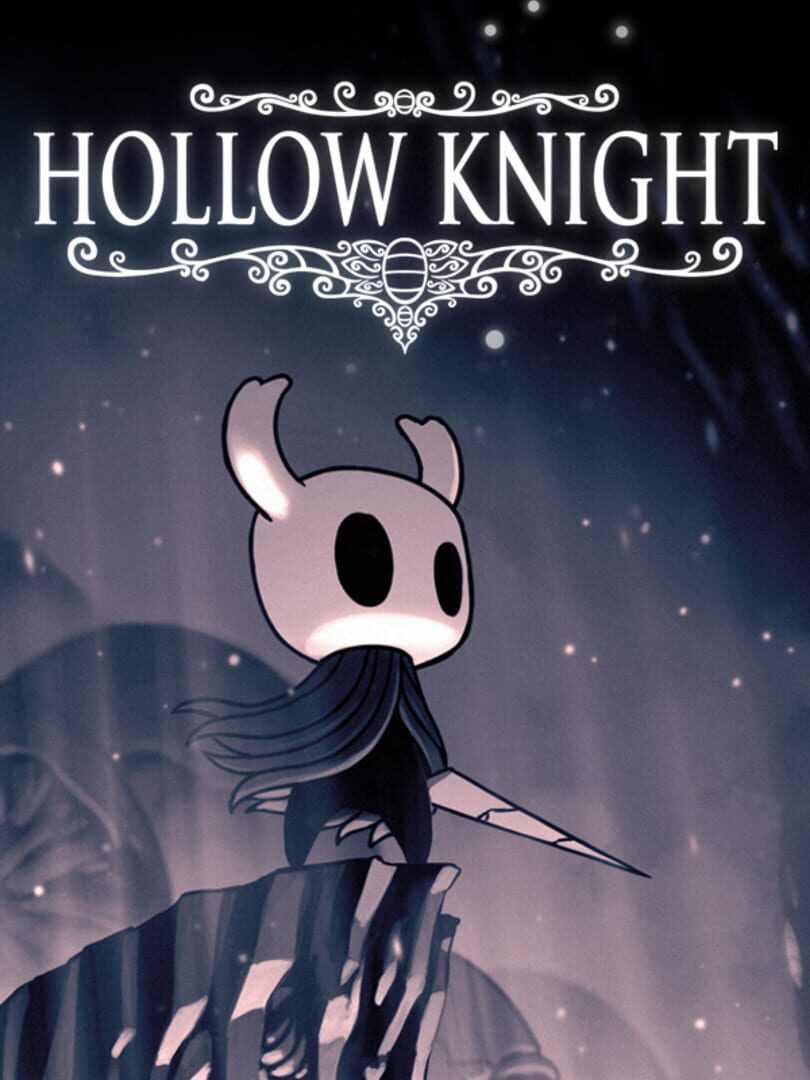
Hollow Knight: Silksong carries a burden few games could withstand. Its predecessor, Hollow Knight, did more than just succeed; it redefined the modern Metroidvania, setting a new benchmark with its hauntingly beautiful art style, deeply atmospheric world-building, and ruthlessly precise combat. Hallownest was an intricate, sprawling kingdom that rewarded curiosity and punished carelessness in equal measure. The very nature of a Metroidvania—demanding flawless platforming, strategic combat, and methodical exploration—means technical stability is not a luxury, but the absolute foundation of the player experience. Every jump, every parry, every boss encounter in the original game felt deliberate and fair. It is this legacy of precision that has set an impossibly high bar for Silksong and provides crucial context for its protracted development. Team Cherry is not just making a sequel; it is crafting a successor worthy of one of the most beloved indie games of all time.
From Glimpses of Grandeur to Patient Silence
Since its announcement, official news on Silksong has been sparse but significant. We know players will control the agile princess-protector Hornet, exploring the all-new kingdom of Pharloom. Trailers have showcased a protagonist who is demonstrably faster and more acrobatic than the Knight, with a verticality and swiftness that promise to fundamentally change the pace of exploration and combat. We’ve seen glimpses of a robust crafting system for tools and traps, a quest log to manage the tasks of a vibrant NPC population, and a world teeming with over 150 new enemies and bosses.
However, the most telling update came not as a feature reveal but as a delay. In May 2023, Matthew Griffin, representing the marketing and publishing for the game, confirmed Silksong would not make its previously anticipated "first half of 2023" launch window, stating simply that development was continuing and that Team Cherry was taking the time "to make the game as good as we can." This transparency, while disappointing for eager fans, was a crucial reaffirmation of their development philosophy. It signals a refusal to compromise on quality for the sake of meeting a deadline—a stance that is vital for a game where a single bug or poorly balanced encounter can shatter the delicate loop of challenge and reward.
The Pursuit of Perfection: Why Every Detail Matters
In a Metroidvania, player trust is paramount. The player must believe that the world operates under a consistent and fair set of rules. A death should feel like a mistake to be learned from, not the result of a glitch. While the original article speculated on a fictional bug-fix, the principle remains critically relevant: the long wait for Silksong is almost certainly due to an exhaustive hunt for these potential trust-breaking issues.
Consider Hornet’s expanded mechanical complexity. Her agile moveset, healing ability (binding), and arsenal of crafted tools introduce countless new variables that must be balanced to perfection. An encounter with a formidable boss, a signature of the series, is designed as a climactic test of skill. If a boss's attack pattern were to glitch, or if a platforming challenge were rendered impossible by an unforeseen interaction, it would fundamentally undermine the player's agency and erode their confidence in the game's design. The prolonged development period is a direct investment in preventing such scenarios, ensuring that the formidable challenges of Pharloom are always demanding but never unjust.
Building Trust Through Action, Not Words
Team Cherry’s approach to Silksong's development aligns perfectly with the core principles of Experience, Expertise, Authoritativeness, and Trustworthiness (E-E-A-T). Their expertise was proven with Hollow Knight. Their authority in the genre is undisputed. The trust they are cultivating now comes not from constant marketing, but from the implicit promise that their silence is productive. In an industry often criticized for releasing games that require significant post-launch patching, Team Cherry's commitment to delivering a polished, complete experience from day one reinforces the trust of its community.
This extended wait assures players that their investment of time, money, and emotional energy will be respected. A game free from immersion-breaking glitches will allow them to fully lose themselves in the world of Pharloom, to appreciate the intricate level design, and to engage with the narrative without the distraction of technical flaws. This reputation for excellence is a powerful asset in an incredibly competitive indie market.
Conclusion: A Beacon of Excellence in the Making
Hollow Knight: Silksong exists in a unique state of being both a known quantity and a complete mystery. We know the foundation it is built upon is one of gaming's finest, yet the final form of Pharloom remains tantalizingly out of reach. The long, quiet development is not a sign of trouble, but a profound statement on Team Cherry's meticulous craftsmanship. In a genre where precision is everything, ensuring that every mechanic, every enemy, and every pixel functions flawlessly is the only path forward. The agonizing wait is the price of quality. When Hornet finally ascends to her cursed kingdom, the years of patient refinement will ensure her journey is not just a worthy sequel, but a new benchmark for the Metroidvania genre and a timeless testament to the power of getting it right.