
Last Updated: October 25, 2025
As anticipation for Nintendo's next-generation console, colloquially dubbed the "Switch 2," reaches a fever pitch, a critical debate is taking shape within the gaming community and development studios. The conversation centers on the future of physical media and how Nintendo will balance the demands of modern, graphically intensive games with the tangible ownership that fans cherish. While the original Switch revitalized the game cartridge, the increasing size and complexity of AAA titles have already forced compromises, a trend that may define the strategy for Nintendo’s new hardware.
The core of the issue lies in a very real, ongoing industry conflict: the push towards digital distribution versus the enduring value of physical games. For Nintendo's next console, this isn't just a matter of preference but a potential technical imperative that could reshape how we buy and play games on the go.
The Evolving Landscape of Game Cartridges
Nintendo has always forged its own path with physical media, from NES cartridges to GameCube's mini-discs and back to cartridges for the Switch. This commitment to physical formats has cultivated a loyal base of collectors and consumers who value offline play, resale options, and the simple joy of a tangible library.
However, the Switch era has exposed the limitations of this model. Many high-profile releases, from "L.A. Noire" to the "BioShock" collection, have launched on undersized cartridges that require massive mandatory downloads to be playable. These "code-in-a-box" scenarios or partial-data cartridges have sparked frustration, with players questioning the point of a physical copy that doesn't contain the full game and is dependent on server availability and internal storage space.
This existing problem is set to intensify with the Switch 2, which is rumored to feature significantly more power, reportedly targeting performance comparable to the PlayStation 4 and incorporating Nvidia's DLSS technology. To deliver on that promise, developers will need to create larger, more complex games—assets that may exceed the capacity of even the largest, most expensive game cartridges.
The Developer's Dilemma: Performance vs. Physical Purity
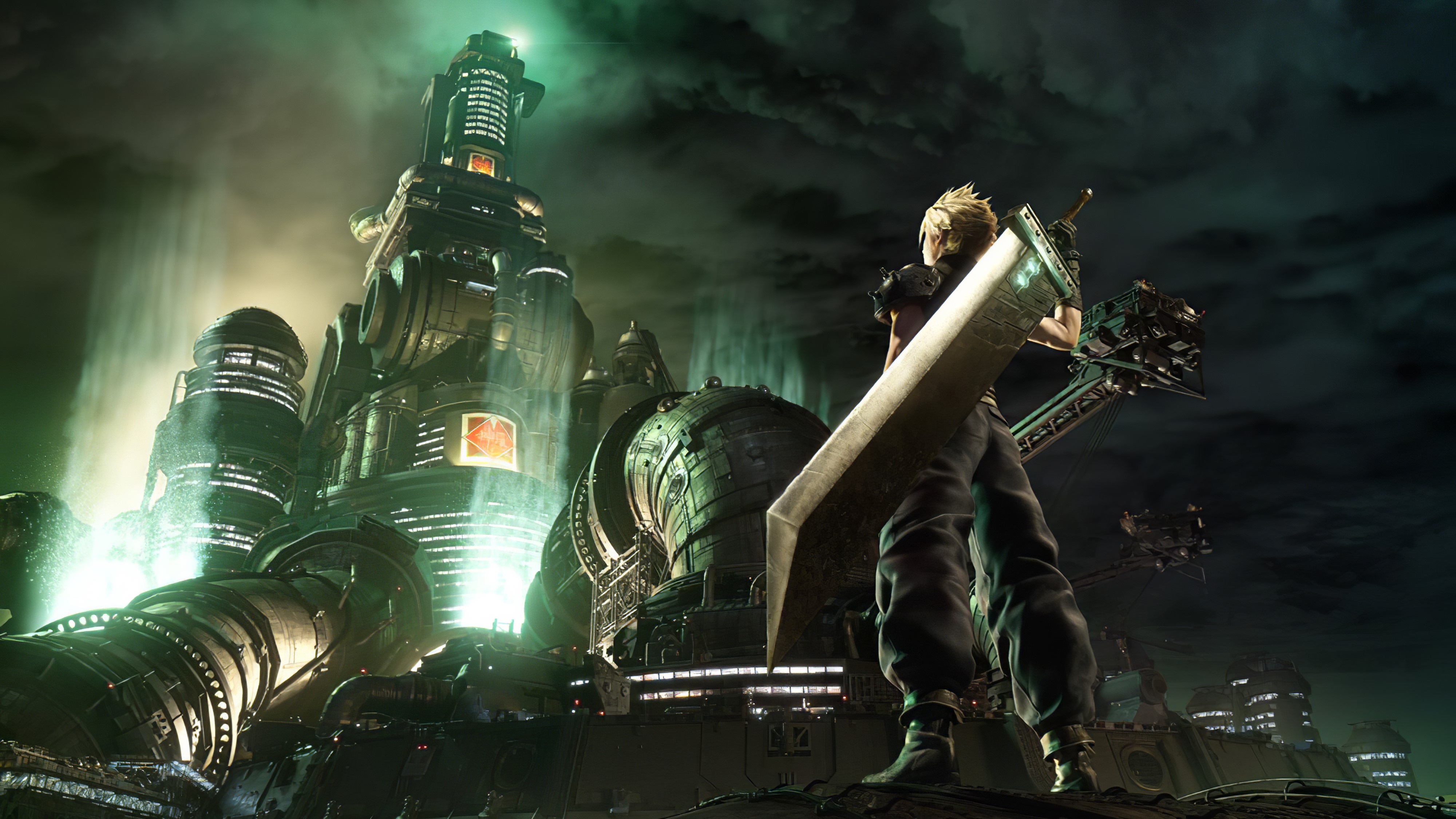
For developers of technically ambitious titles, like Square Enix with its graphically demanding Final Fantasy VII Remake trilogy, bringing these experiences to a Nintendo hybrid console presents a significant challenge. While no specific developer has officially commented on the Switch successor's media format, the technical realities point toward a necessary evolution.
The performance of a game is not just about raw GPU power; it's also about how quickly the console can access and load game data. Herein lies the trade-off:
- Internal Storage: Modern consoles rely on fast internal SSDs or flash storage, which offer superior read speeds compared to external media. Offloading the bulk of game data to internal storage allows for faster loading times, smoother asset streaming in open worlds, and more stable frame rates.
- Game Cartridges: While convenient, cartridges have inherent read-speed limitations. Furthermore, producing high-capacity cartridges (e.g., 64GB) is significantly more expensive for publishers than smaller ones, creating a financial incentive to ship a smaller physical component and require a download.
For a title like Final Fantasy VII Rebirth, which shipped on two Blu-ray discs totaling nearly 150GB on the PlayStation 5, a direct port to a single cartridge on a Switch successor is technically and financially unfeasible. This is where a hybrid physical/digital model becomes an attractive, if controversial, solution for developers. By providing a physical cartridge that acts as a license key and contains essential boot data, developers can ensure the majority of the game is run from the console's faster internal storage, optimizing performance for a smoother player experience.
Redefining Ownership in a New Gaming Culture
This potential shift asks players to re-evaluate what "ownership" means in an increasingly digital age. The "culture of gaming" has always adapted to new technology, and Nintendo's next console may be a major catalyst for the next step in that evolution.
Is a physical game still "physical" if it requires a 50GB download to function? For preservationists and those with limited internet access, the answer is a resounding no. For others, the trade-off for having graphically stunning, high-performance games on a Nintendo handheld might be a welcome compromise.
This approach would allow Nintendo and its partners to deliver a robust library of visually impressive titles without being shackled by the physical and financial limitations of cartridge manufacturing. It represents a middle ground—retaining a retail presence and the collectability of a game box, while embracing the performance benefits of digital delivery.
Conclusion: A Glimpse into Nintendo's Strategic Vision
The conversation around the Switch successor's physical media is about more than just plastic boxes and silicon chips. It reflects a pivotal moment for the industry, balancing developer needs, technological progress, and consumer expectations. While Nintendo has not yet revealed its hand, the trend is clear: game sizes are exploding, and performance is paramount.
The ultimate strategy will be a calculated move to maximize the console's capabilities. Whether it’s through larger, more expensive cartridges or a hybrid model that relies on mandatory downloads, the goal will be to ensure developers can bring their most ambitious visions to the platform without compromise. The future of gaming on Nintendo's next console will be defined not just by its hardware, but by an innovative media strategy that seeks to deliver the best possible player experience, even if it means changing what it means to own a game.